In 1960, Cuc Phuong was designated as a forest reserve, and two years later, it became Cuc Phuong National Park, consecrated by President Ho Chi Minh. Human occupation in Cuc Phuong dates back thousands of years before the park's establishment, around 7,000-12,000 years ago. Artifacts from that time, such as human graves, stone axes, pointed bone spears, oyster shell knives, and grinding tools, have been discovered in various caves within the park. Additionally, in 1789, the Quen Voi section of the park witnessed a significant battle during the civil war between Nguyen Hue and Thanh Long.
| 💢 Top Best Tours: Hanoi to Cuc Phuong National Park | |
| 👉 Cuc Phuong cycling tour 4 days | |
| 👉 Cuc phuong cycling holiday 7 days | |
| 👉 Cuc Phuong cycling adventure 8 days |
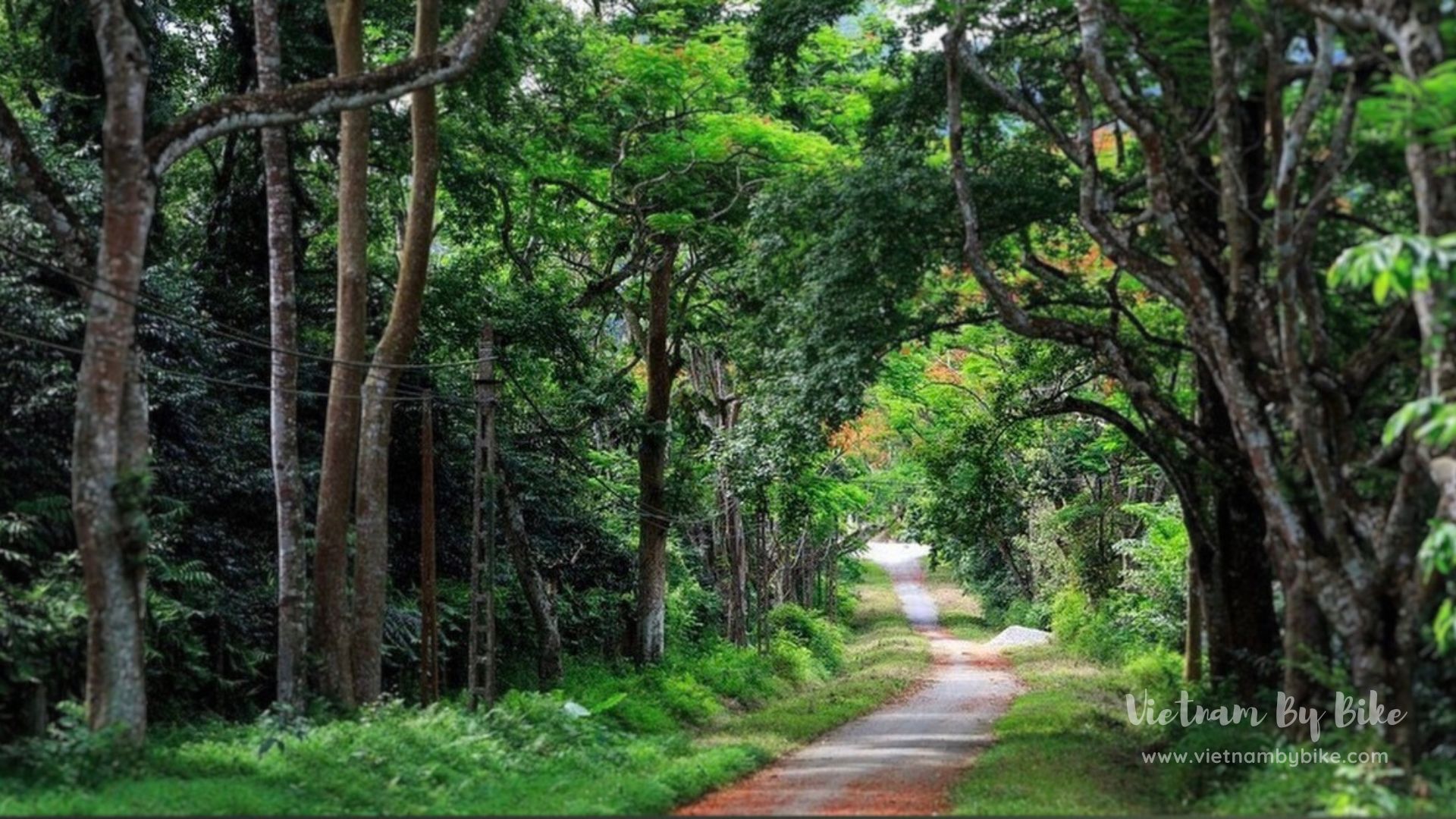
More recently, conflicts have arisen between the government and the Muong ethnic minority tribesmen, who number around 2,500 and reside, farm, and hunt within the park. These conflicts led to the relocation of 500 Muong individuals outside of the park in 1987 due to issues relating to poaching and land use.
Cuc Phuong boasts an astonishing array of biodiversity, including 97 species of mammals, notably endangered langurs; 300 bird species; 36 reptile species; 17 amphibian species; 11 fish species; 2,000 vascular plant species; and numerous insect species. Several species within the park are listed in the Vietnam Red Book as endangered.
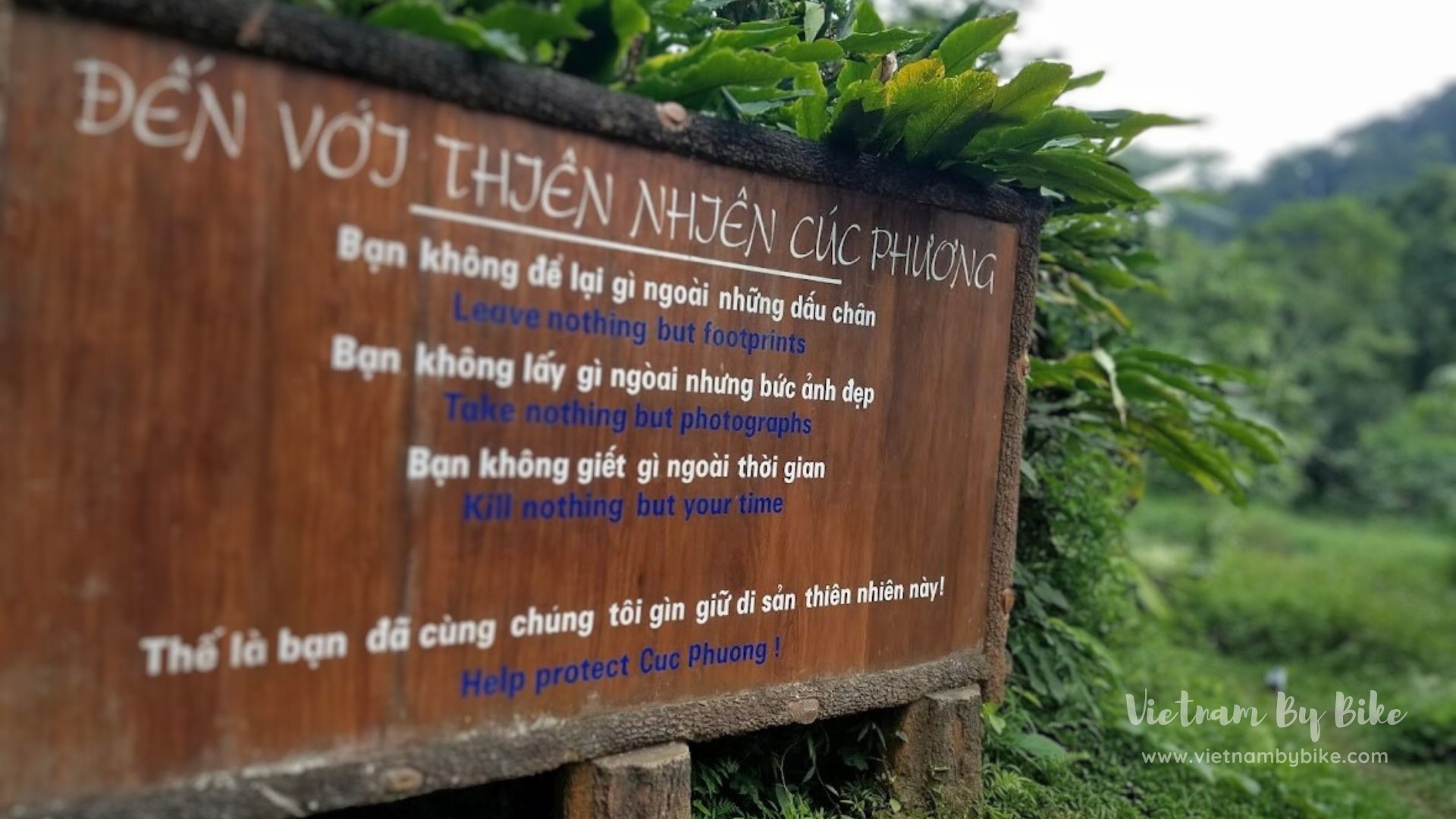
Primates within the park include macaques, gibbons, Francois' Leaf Monkey, and slow lorises. Other mammals found in the park include bats, porcupines, flying squirrels, small striped squirrels, belly-banded squirrels, and the rare Black Giant Squirrel. In the past, Asiatic Black Bears, wild dogs, and tigers also inhabited the park, but due to overhunting and a lack of prey, these species have mostly disappeared. However, leopards, clouded leopards, and jungle cats may still be present.

The Cuc Phuong park is a haven for bird species, including Bar-backed Partridge, Scaly-breasted Partridge, Silver Pheasant, Red Junglefowl, Grey Peacock Pheasant, Laughing Thrushes, Red-vented Barbet, Green-eared Barbet, Scimitar-billed Babblers, Brown Hawk Owl, Scarlet Minivet, Racket-tailed Drongos, Racket-tailed Treepie, and White-winged Blue Magpie. Migratory species such as thrushes, flycatchers, tits, finches, and pipits can also be spotted. Hornbills can be observed in the forest as well. The park is also home to an endemic sub-species of subterranean cave fish.
The park's flora consists of multi-layered canopies, towering trees reaching up to 70 meters in height, an abundance of flowers including orchids, ferns with impressively tall leaves, and a variety of lianas and plants with cauliflory. The park also houses plants that serve practical purposes, such as spice and medicinal plants, as well as edible fruits and nuts.
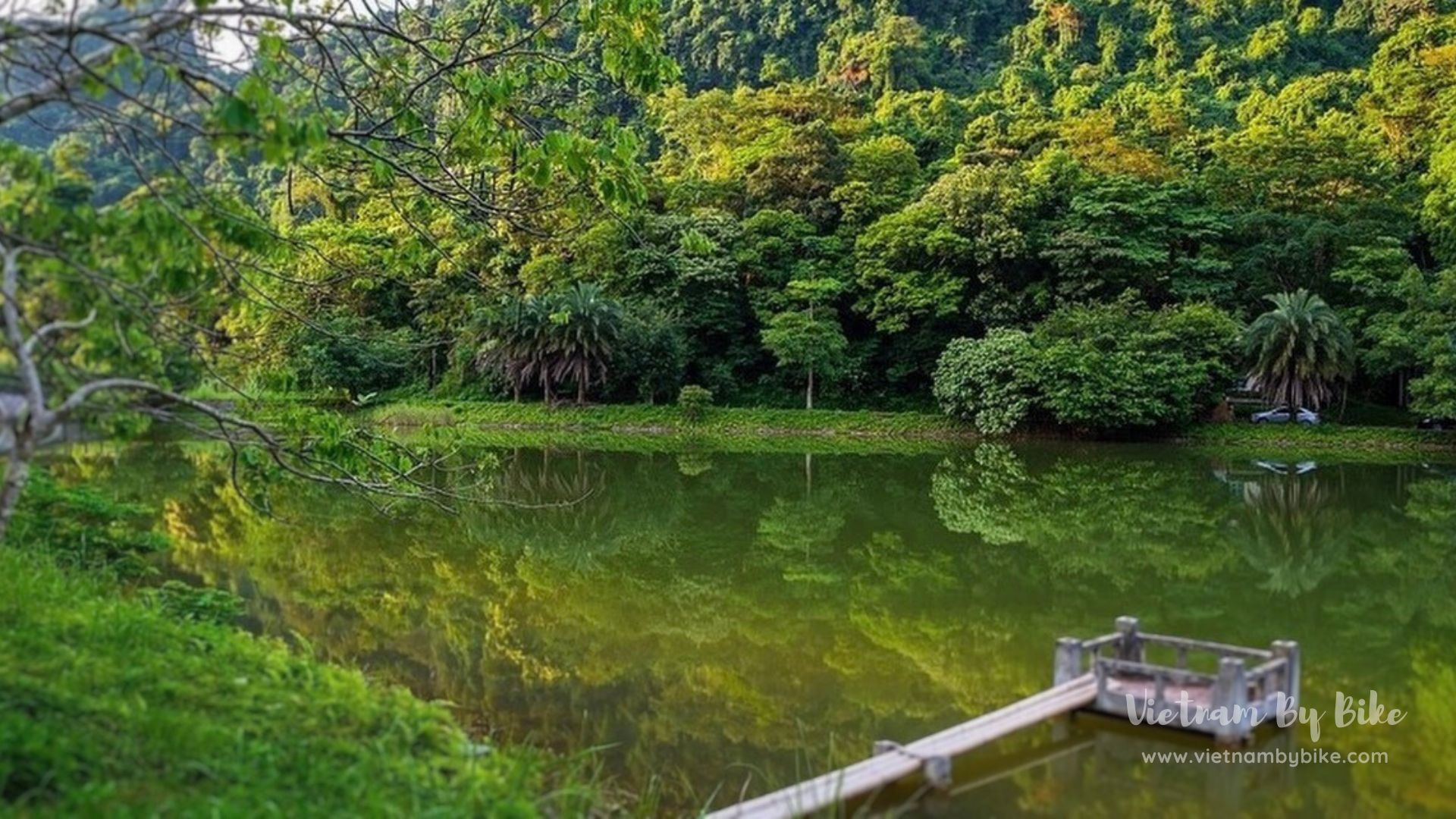
Within the park, you can find the Cuc Phuong Endangered Primate Rescue Center and the Cuc Phuong Turtle Conservation Center. These facilities play crucial roles in research, breeding, and rehabilitation efforts for animals rescued from the illegal wildlife trade. The primate center houses langurs, lorises, and gibbon species, including critically endangered species such as Delacour's Langur, Golden-headed Langur, Tonkin Snub-nosed Langur, and Black Crested Gibbon. Established in 1993 with assistance from the Frankfurt Zoological Society, the primate center now accommodates 100 animals in 30 cages, 4 houses, and two semi-wild enclosures. The turtle conservation center was established in 1998 and provides a home for some of Vietnam's most endangered turtles, including the Vietnamese Pond Turtle, which is on the brink of extinction in the wild.
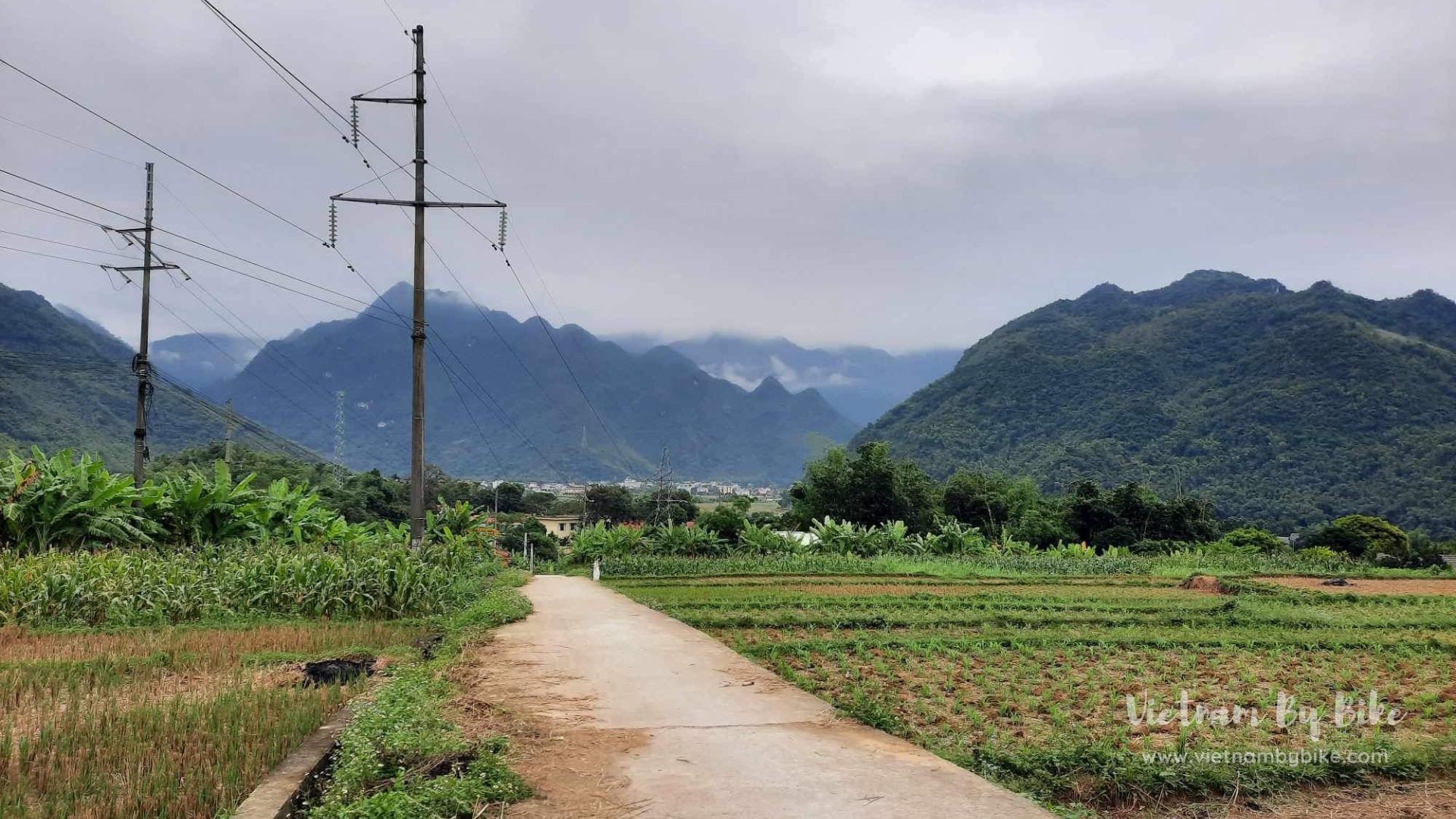
Vietnam By Bike offers a tailored cycling holiday that includes a leisurely ride through the valley, hill tribes, and beautiful forests over a span of four days.