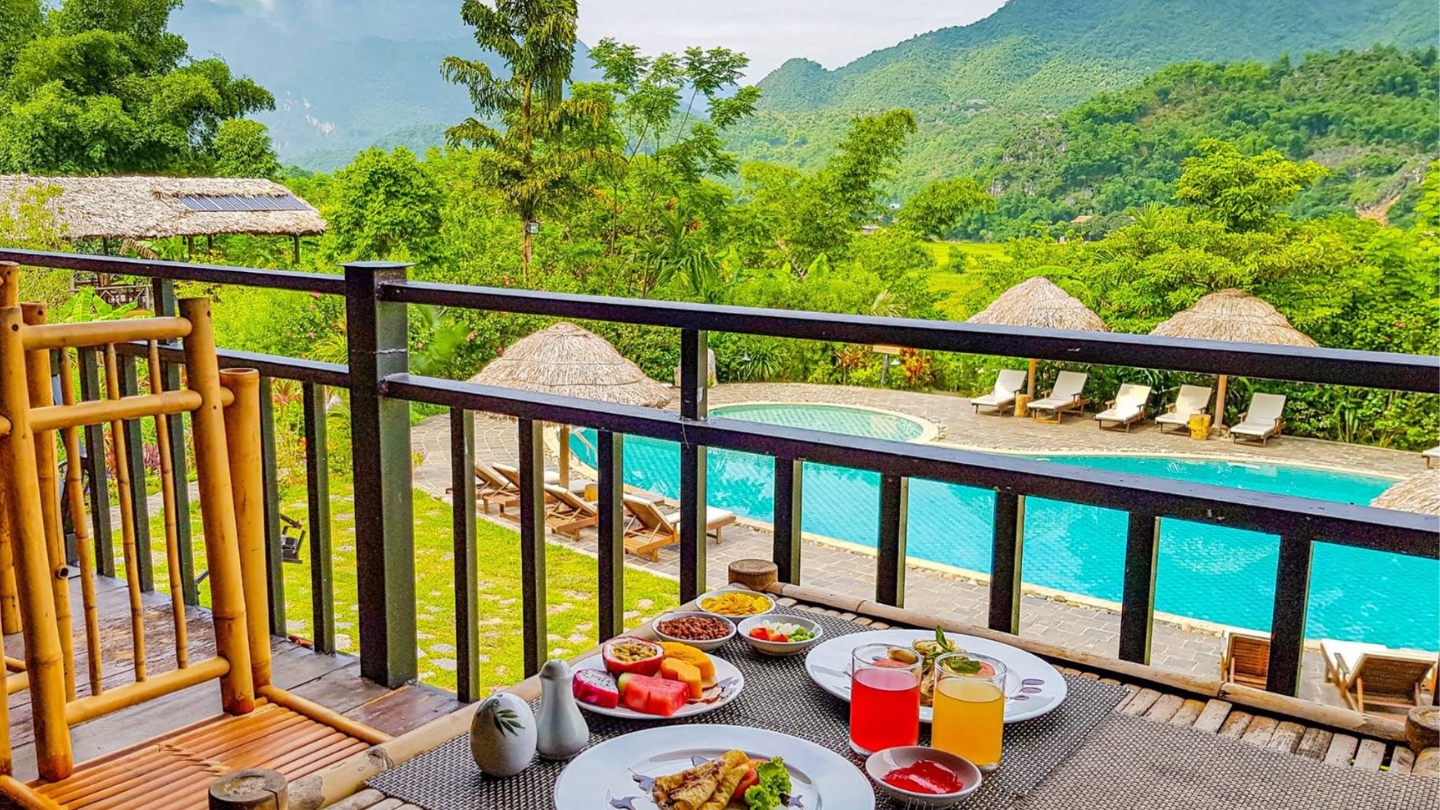
The White Thai (Người Thái Trắng) are the predominant ethnic minority group in the stunning Mai Chau Valley of Hoa Binh Province, located about 135 km northwest of Hanoi. They are distinct from the Black Thai (Người Thái Đen), who live in other parts of northwestern Vietnam along with your cycling tour with us!
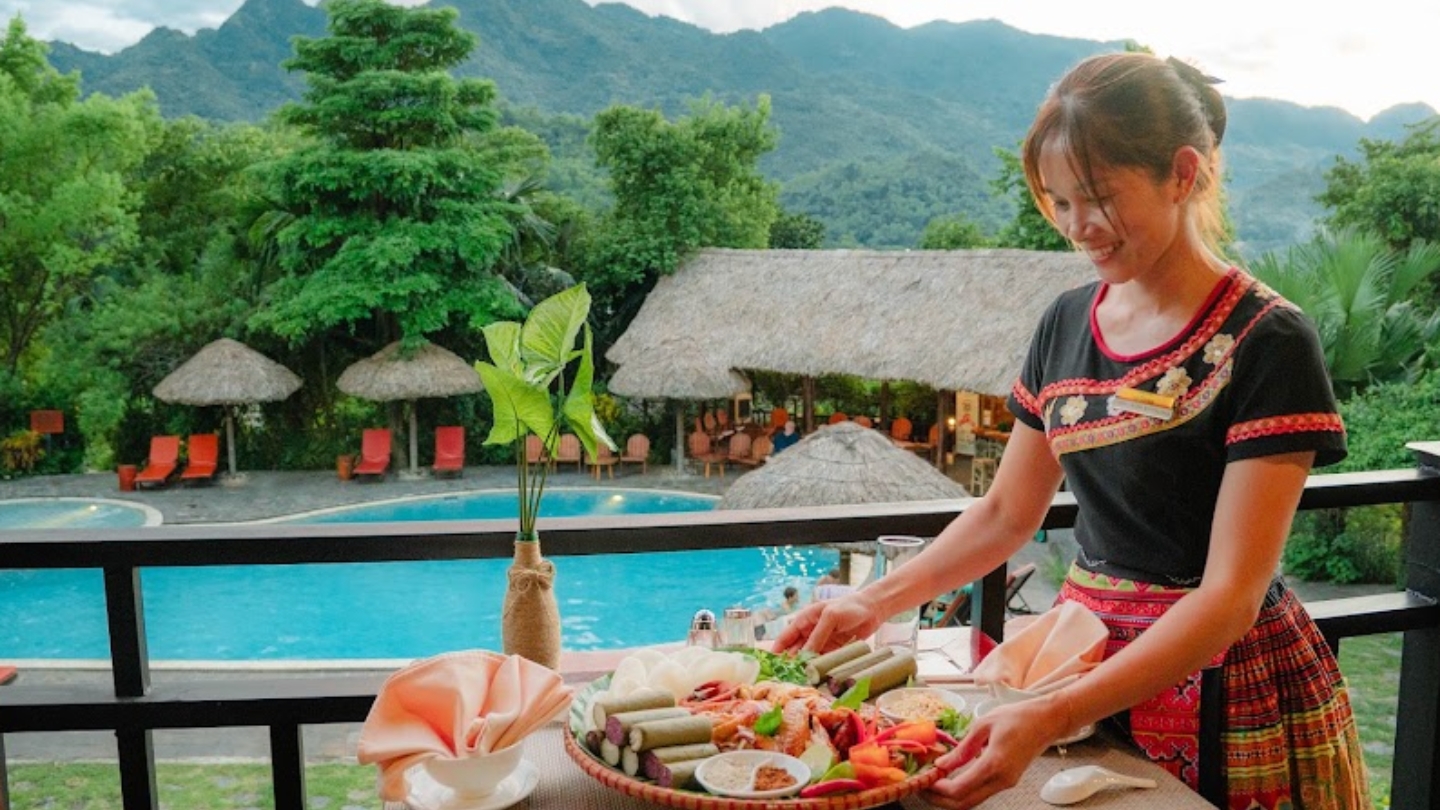
If you're looking into their culture, lifestyle, or planning a visit, here is a snapshot of what makes the White Thai of Mai Chau so unique:
1. Traditional Architecture: Stilt Houses
The valley floor is dotted with beautiful, traditional Thai stilt houses.
Design: Built 1.5 to 2 meters off the ground on sturdy wooden pillars, featuring large windows and split-bamboo or timber floors.
Function: Historically, raising the house protected the family from wild animals and floods. Today, the open space underneath the house is typically used for storage, relaxation, or as a workshop where women set up their weaving looms.
2. Attire and Weaving in Cycling Mai Chau
The name "White Thai" historically comes from the traditional clothing worn by the women.
The Outfit (Áo Cóm): White Thai women traditionally wear a short-sleeved, V-neck white blouse (though today they may also use soft pastel greens, pinks, or blues) fitted closely to the body. This is paired with a long, straight black skirt that reaches the ankles and a polished silver or colorful belt around the waist.
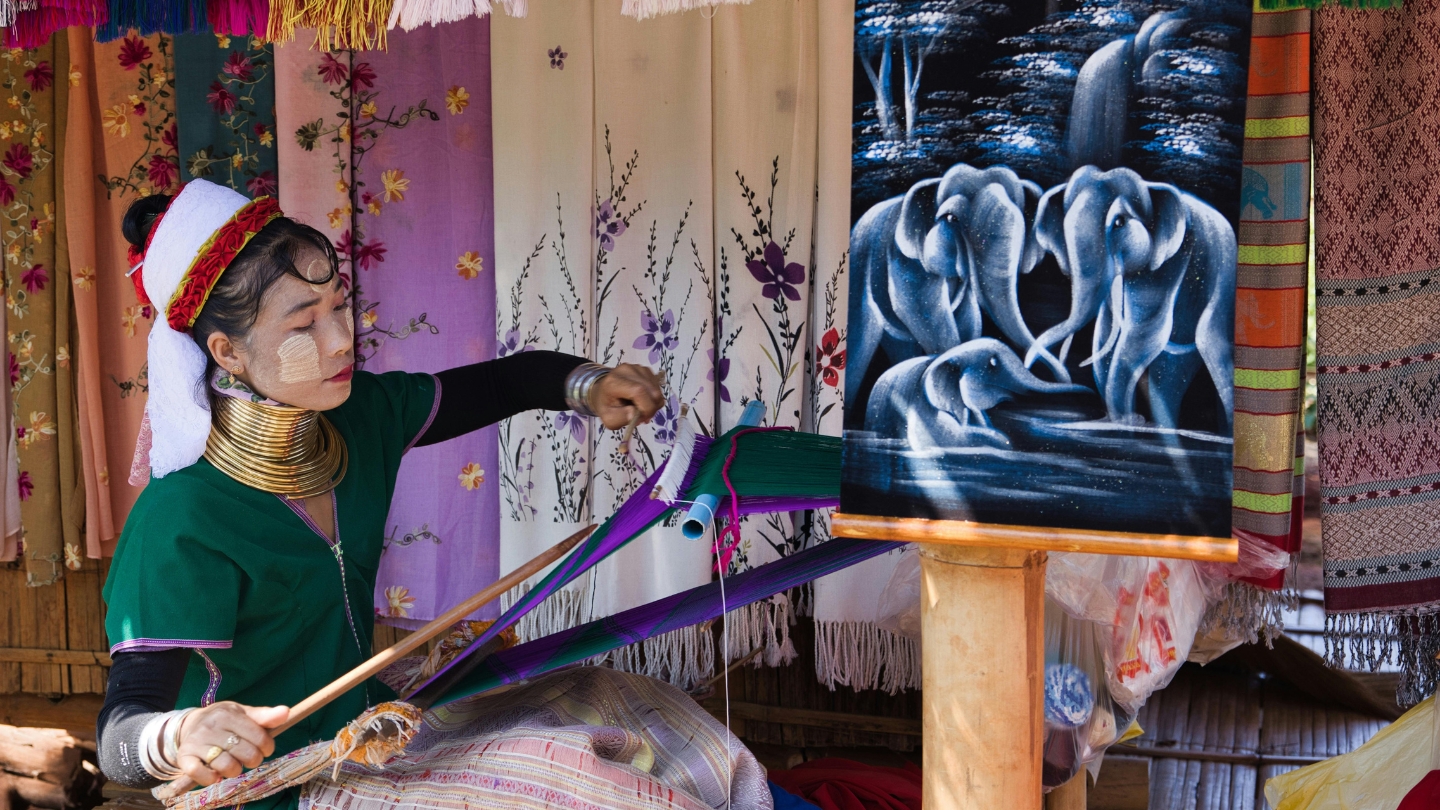
Brocade Weaving: White Thai women are famous for their master weaving skills. Passing down the craft from mother to daughter, they create intricate, vibrant geometric patterns on hand-dyed cotton and silk fabrics.
3. Community and Way of Life
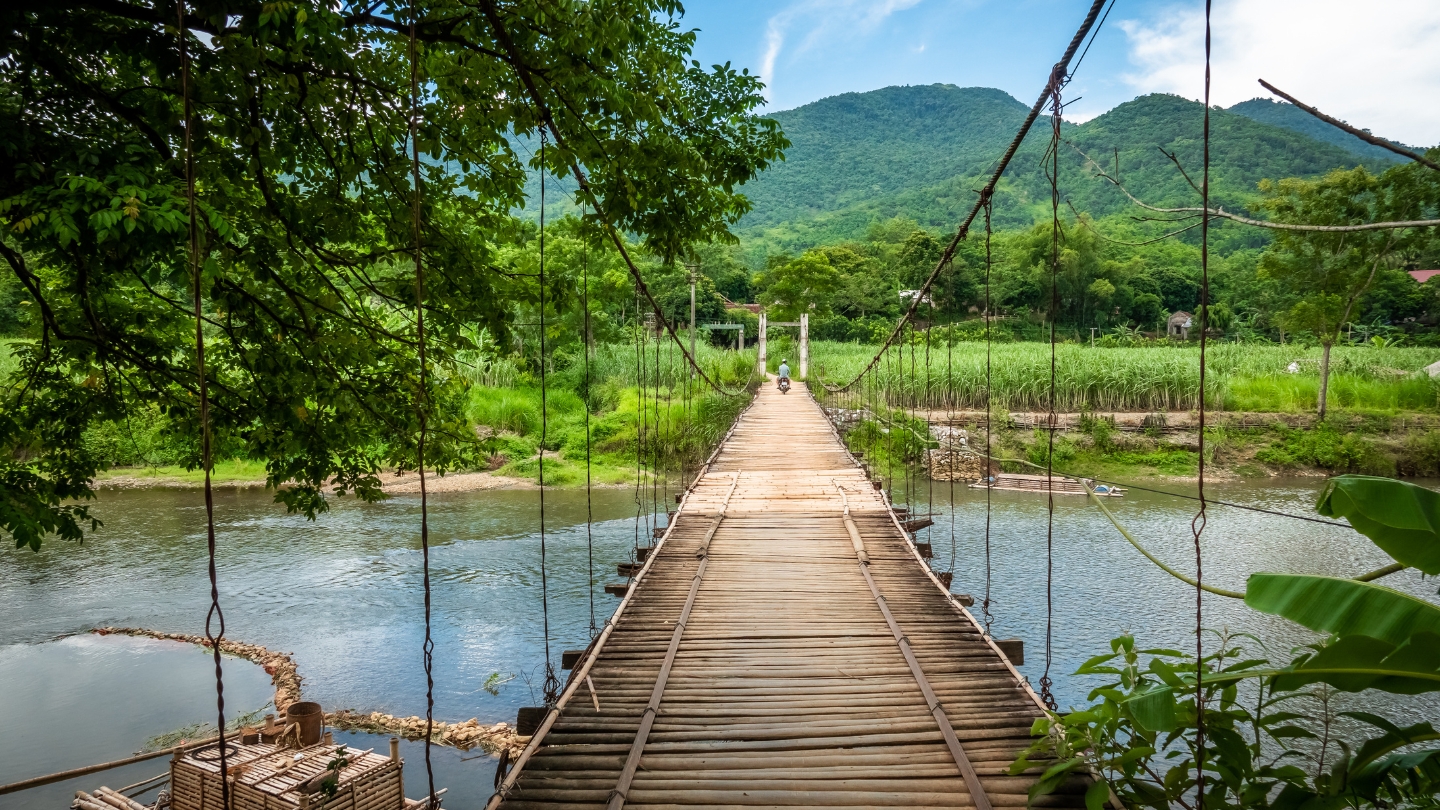
Wet Rice Farming: Unlike some mountainous tribes that practice slash-and-burn agriculture on slopes, the White Thai are masters of wet rice cultivation. The flat, emerald-green valley floor of Mai Chau cycling provides the perfect landscape for their irrigated rice paddies.
Hospitality & Homestays: The White Thai are incredibly warm and welcoming. Villages like Ban Lac and Pom Coong pioneered community-based tourism in Vietnam. Visitors can stay in these authentic stilt houses, sleep on traditional bamboo floors, and share home-cooked meals with families.
4. Culture, Food, and Festivities
The Food: Meals often feature xôi nếp nương (sticky rice cooked in bamboo tubes), grilled river fish marinated with local spices like mắc khén (forest pepper), and grilled pork skewers.
Music and Dance: In the evenings, local troupes perform traditional folk dances. The most famous are the Sạp dance (bamboo dance, where people step in and out of clapping bamboo poles) and the Xòe dance, a circular dance that signifies community unity. The dances are accompanied by gongs, cymbals, and traditional flutes.