Boasting a strategic geopolitical location at the heart of Southeast Asia, Vietnam serves as a vital trade and aviation hub for the region. With a coastline stretching over 3,260 km, a rich collection of UNESCO World Heritage sites (such as Ha Long Bay, Hoi An Ancient Town, and Phong Nha - Ke Bang), and a favorable visa policy, Vietnam has emerged as a top regional destination, competing directly with tourism giants like Thailand and Singapore.

Total Land Area and Topography
Vietnam’s total land area spans approximately 331,344 km². The country features a highly diverse topography, with 3/4 of the terrain consisting of mountains and hills alongside fertile deltas. This unique landscape creates ideal conditions for developing a wide range of tourism sectors, from alpine eco-tourism to island and beach resorts.
Regional Cultural Diversity
Vietnamese culture is a harmonious blend of unity in diversity, shaped by 54 ethnic groups across three distinct geographical regions:
- The North: The cradle of Vietnam's thousand-year civilization, characterized by rich traditional festivals, royal heritage, and folk arts (such as Chèo and Quan họ singing).
- The Central Region: A land steeped in ancient architectural heritage, Cham Pa spiritual culture, and the resilient yet profound lifestyle of its people.
- The South: Reflecting a liberal, open-minded spirit of a new land, deeply intertwined with the vibrant Mekong delta river culture and Đờn ca tài tử (southern amateur folk music).
In alignment with Resolution No. 60-NQ/TW—the largest administrative restructuring in the nation's history—Vietnam officially streamlined its administrative apparatus effective July 1, 2025:
The country now comprises only 34 provincial-level administrative units (including 7 municipalities and 27 provinces), down significantly from the previous 63 provinces and cities.
Key Megacities and Consolidated Provinces:
- New Ho Chi Minh City: A merger of Ho Chi Minh City, Binh Duong, and Ba Rịa - Vung Tau (with a population exceeding 14 million).
- New Hai Phong City: A merger of Hai Phong and Hai Duong.
- New Da Nang City: A merger of Da Nang and Quang Nam.
- New Can Tho City: A merger of Can Tho, Soc Trang, and Hau Giang.
- Major Consolidated Provinces: Phu Tho (comprising the former Vinh Phuc, Hoa Binh, and Phu Tho); Ninh Binh (comprising the former Ha Nam, Nam Dinh, and Ninh Binh); and Bac Ninh (comprising the former Bac Giang and Bac Ninh).
- Hanoi Capital and Quang Ninh Province retain their original administrative boundaries.
Vietnam Tourism has long been designated by the Vietnamese Government as a spearhead economic sector. As a regional connectivity hub, tourism acts as a powerful engine driving economic growth, structural shifts, and international integration. The following are the four most critical contributions of the tourism sector to Vietnam's economy:
- Direct and Indirect Contributions to GDP
- Tourism contributes directly between 9% and 10% to the nation's Gross Domestic Product (GDP). When factoring in indirect contributions through supply chains—ranging from agricultural food supplies and infrastructure construction to retail services—this figure is substantially higher. The breakthrough of the new tourism megacities post-merger is creating massive growth poles, attracting robust Foreign Direct Investment (FDI) into international-standard hotels, luxury resorts, and entertainment complexes.
Foreign Exchange Earnings and Trade Balance
Often referred to as an "on-site export," tourism attracts international visitors who spend and consume local services using strong foreign currencies (such as USD and EUR). These revenues boost national foreign exchange reserves, stabilize exchange rates, and provide capital to reinvest in strategic infrastructure projects like airports and expressways.
Job Creation and Sustainable Poverty Reduction
As a highly labor-intensive industry, tourism generates millions of direct jobs (tour guides, hospitality staff, transport operators) and indirect jobs (artisans, farmers, souvenir vendors). Particularly in remote and ethnic minority areas rich in natural and cultural resources (such as the Northern Highlands and the Central Highlands), eco-tourism and community-based tourism have become core livelihoods. This enables local residents to escape poverty sustainably without having to leave their homelands.

Stimulating Interconnected Economic Sectors
Tourism possesses a highly interdisciplinary nature, creating a ripple effect that stimulates growth across various sectors:
- Transportation: Aviation, railways, and roadways thrive due to increased travel demand.
- Agriculture & Handicrafts: Boosting the consumption of local agricultural products and reviving traditional craft villages (such as pottery and brocade weaving).
- Real Estate: Driving the hospitality real estate segment, including condotels and commercial urban complexes.
The advancement of tourism delivers far more than mere financial metrics. It serves as Vietnam’s "soft power," showcasing the unique cultural identities of its 54 ethnic groups to the world, transforming cultural heritage into economic assets, and securing sustainable growth for the economy in the new era.

The reason why Vietnam is located at the heart of Southeast Asian tourism is that the country stretches from North to South, boasting a massive coastline with gently sloping beaches and shimmering golden-white sand. Furthermore, the country is home to numerous traditional craft villages, alongside a rich heritage of marine fishing and aquaculture. These elements create unique, incomparable tourism values.
Most travelers coming here encounter friendly locals who always create intangible values. Through this, Vietnam cycle tours become the ultimate way for us to guide you through every alley, village, and home, allowing you to truly connect with the core and most essential values of Vietnam.
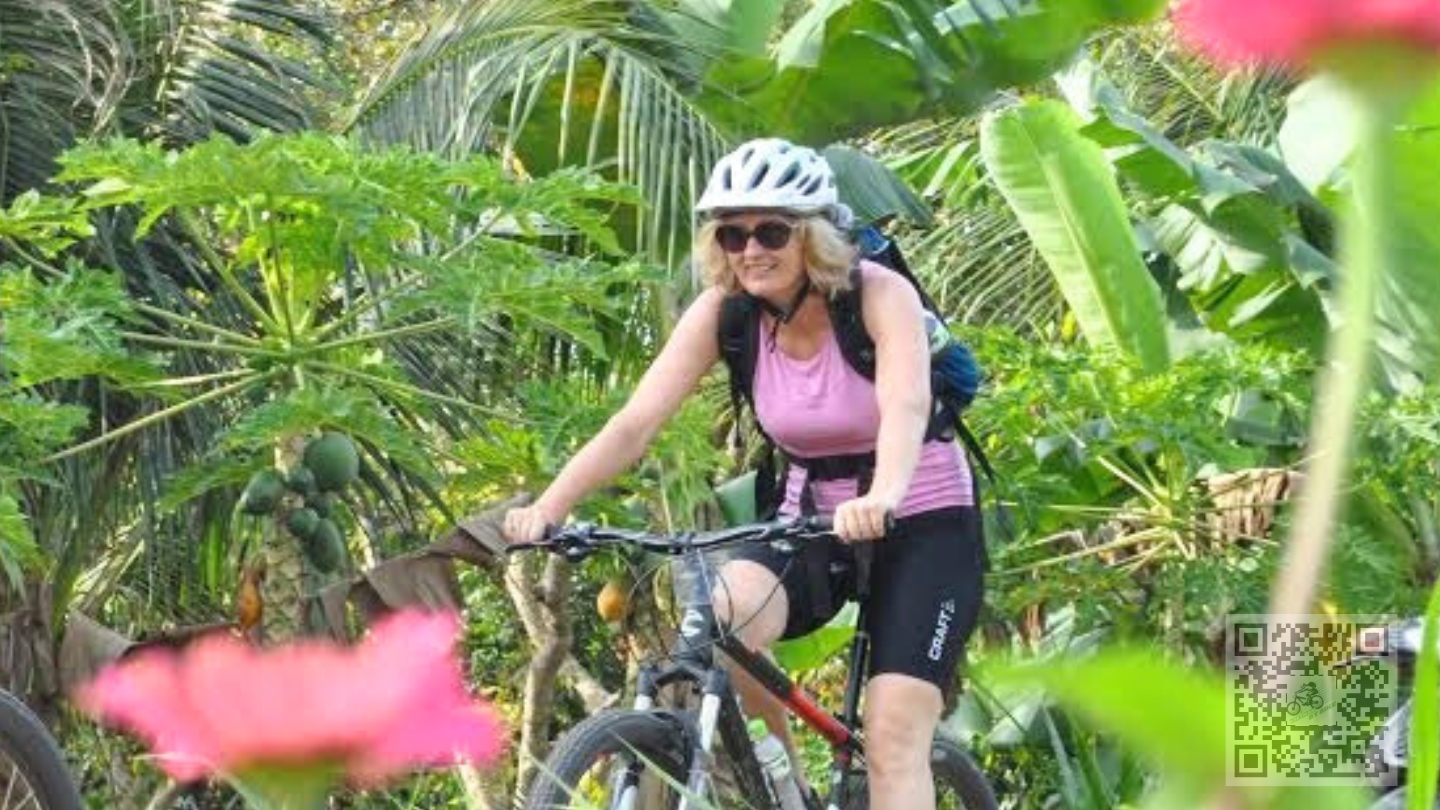
Vietnam By Bike always compare this to bus tours, where your view is restricted and accessing the local culture at each destination becomes incredibly difficult. That is why we have left other types of tourism behind to focus entirely on cycling tours. The value they bring is immense and unparalleled. You should definitely consider and explore this wonderful form of travel!