The Japanese Covered Bridge (Chùa Cầu) in Hoi An stands as a timeless symbol of cultural fusion. Built in the early 17th century by local Japanese merchants, this architectural gem originally functioned as a peaceful link between the historic Japanese and Chinese trading quarters.
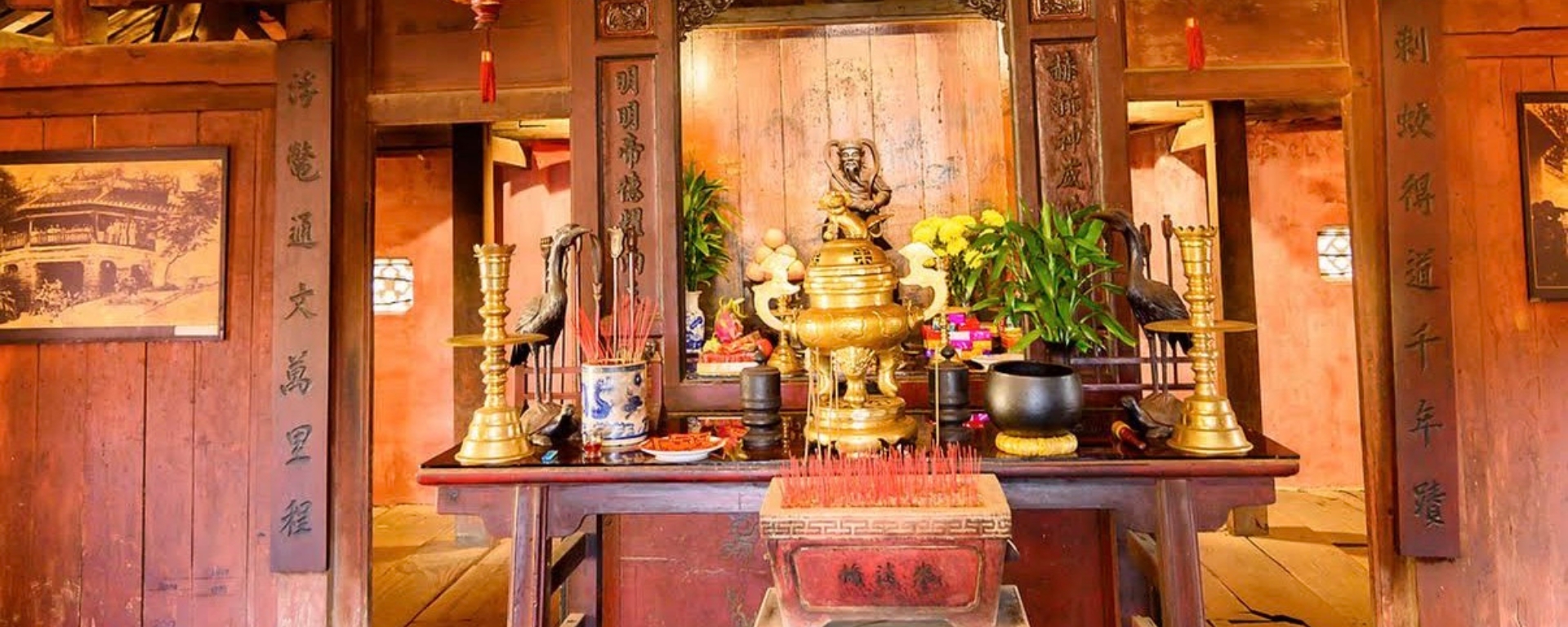
The bridge is celebrated for its elegant, arched wooden structure, weathered pink plaster walls, and a distinctive pagoda-style roof. Remarkably, it doubles as a place of worship, sheltering a small, serene shrine dedicated to Tran Vo Bac De, the Taoist deity of weather and storms. Combining Japanese structural design with Vietnamese and Chinese decorative flourishes, this iconic monument remains a living testament to Hoi An's rich multicultural history.
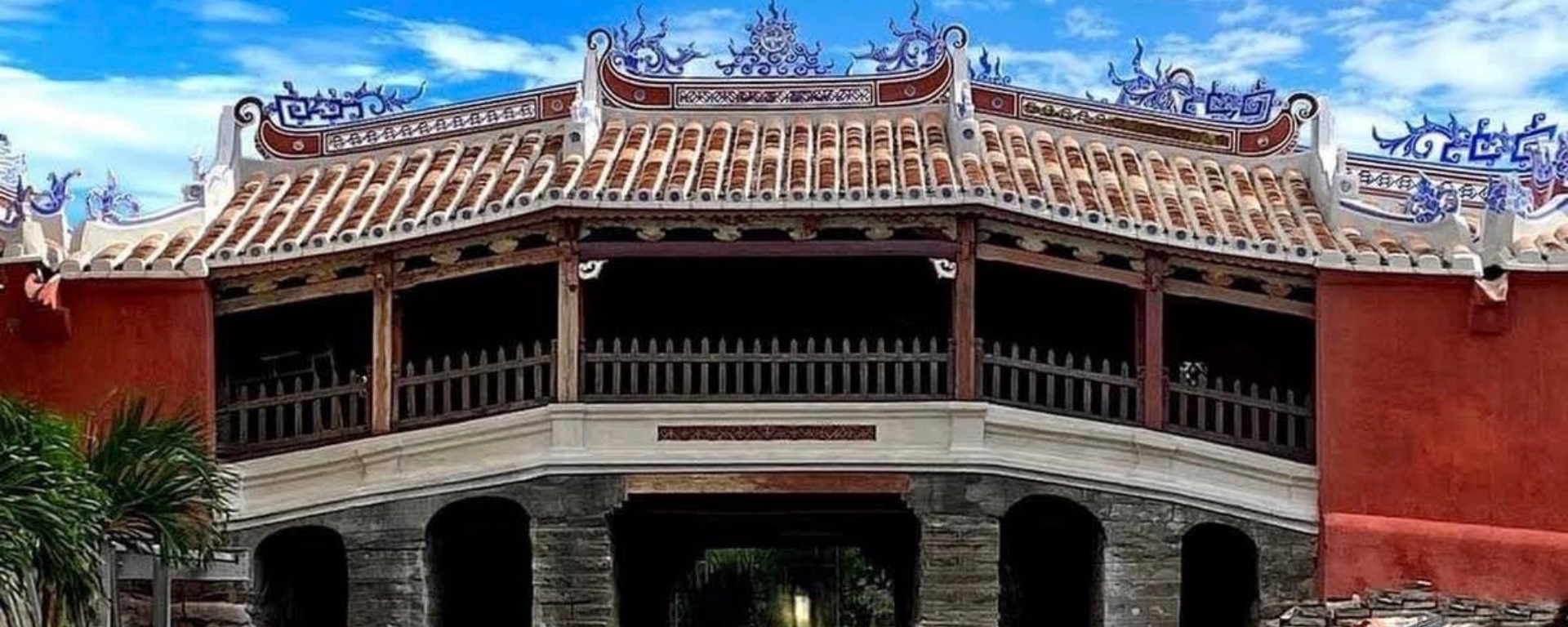
Inside the Japanese Covered Bridge (Chùa Cầu) in Hội An, you step into a narrow, dark-wood corridor steeped in 400 years of history. The interior is divided into small wooden compartments supported by intricately carved, reddish-brown pillars and beams.
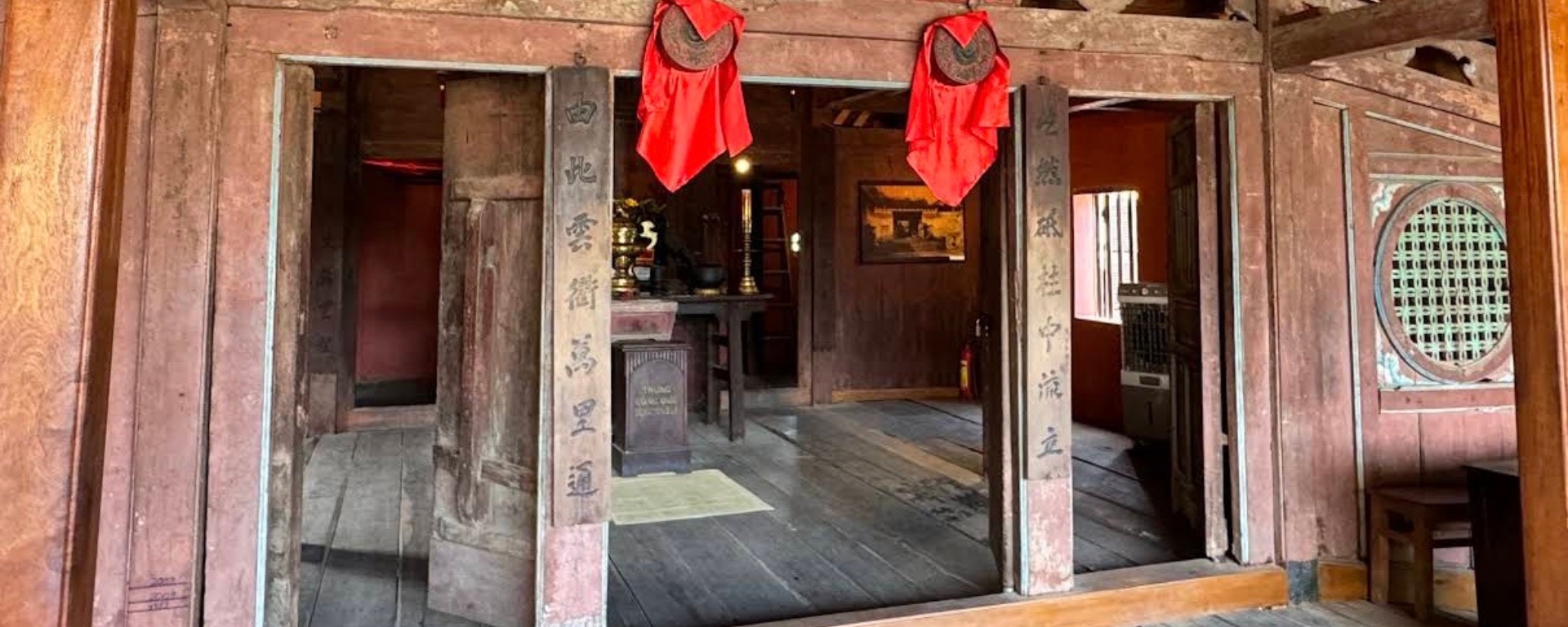
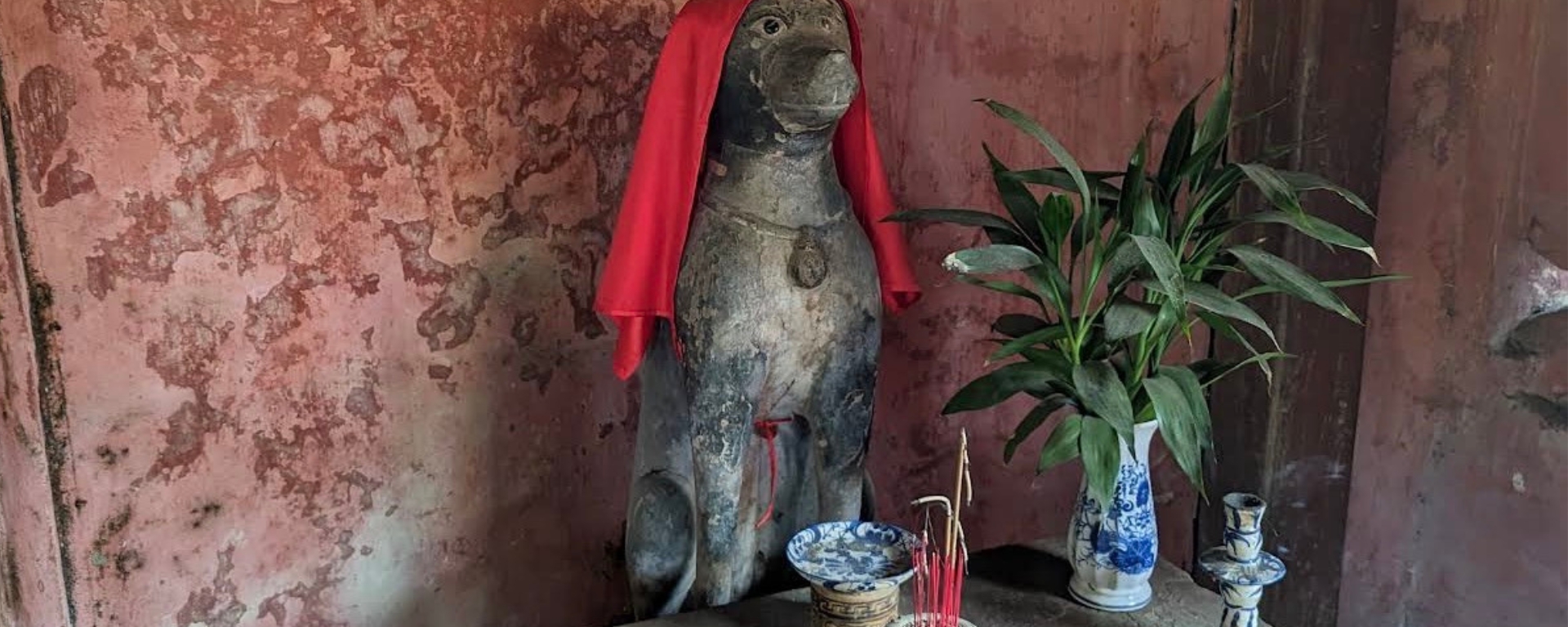
Built into the northern side is a small, serene Taoist sanctuary dedicated to Bắc Đế Trấn Vũ, the deity who controls weather, storms, and floods. At opposite ends of the pedestrian walkway, weathered stone statues of monkeys and dogs stand as symbolic guardians. Following a meticulous restoration, the air inside still blends the scent of aged timber with a quiet, spiritual ambiance.
The most popular folk theory among locals is that these statues serve as a historical time capsule. It is widely believed that the construction of the bridge began in a Year of the Monkey (around 1593) and was successfully completed in a Year of the Dog (around 1595). Because the project spanned from the Monkey year, through the Rooster year, and finished in the Dog year, the builders carved these animals at the entrances to mark the timeline of its creation.
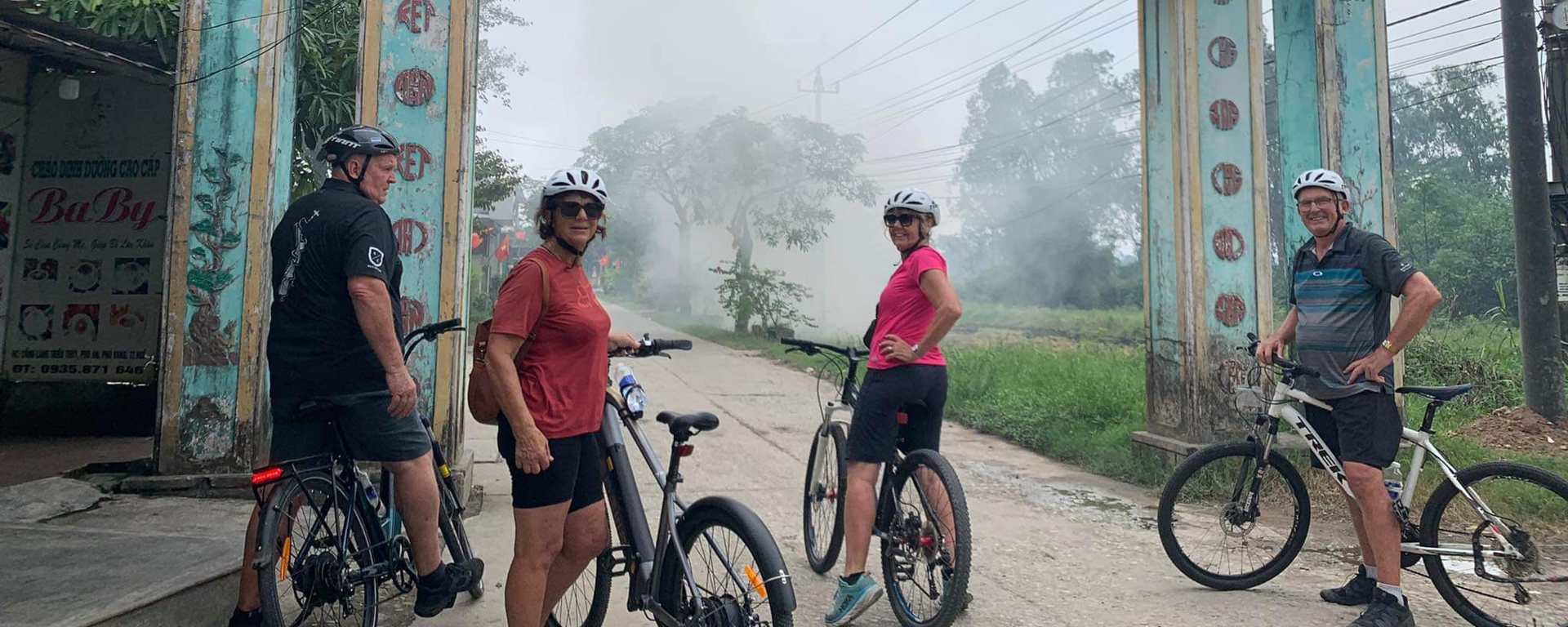
If you are dreaming of a perfect active holiday, Central Vietnam offers a breathtaking escape where rich history and scenic coastlines collide. The undisputed main highlight of this journey is the enchanting ancient town of Hoi An. With its lantern-lit alleys, golden-hued heritage houses, and tranquil riverside paths, cycling through Hoi An feels like pedaling straight through a living historical postcard.
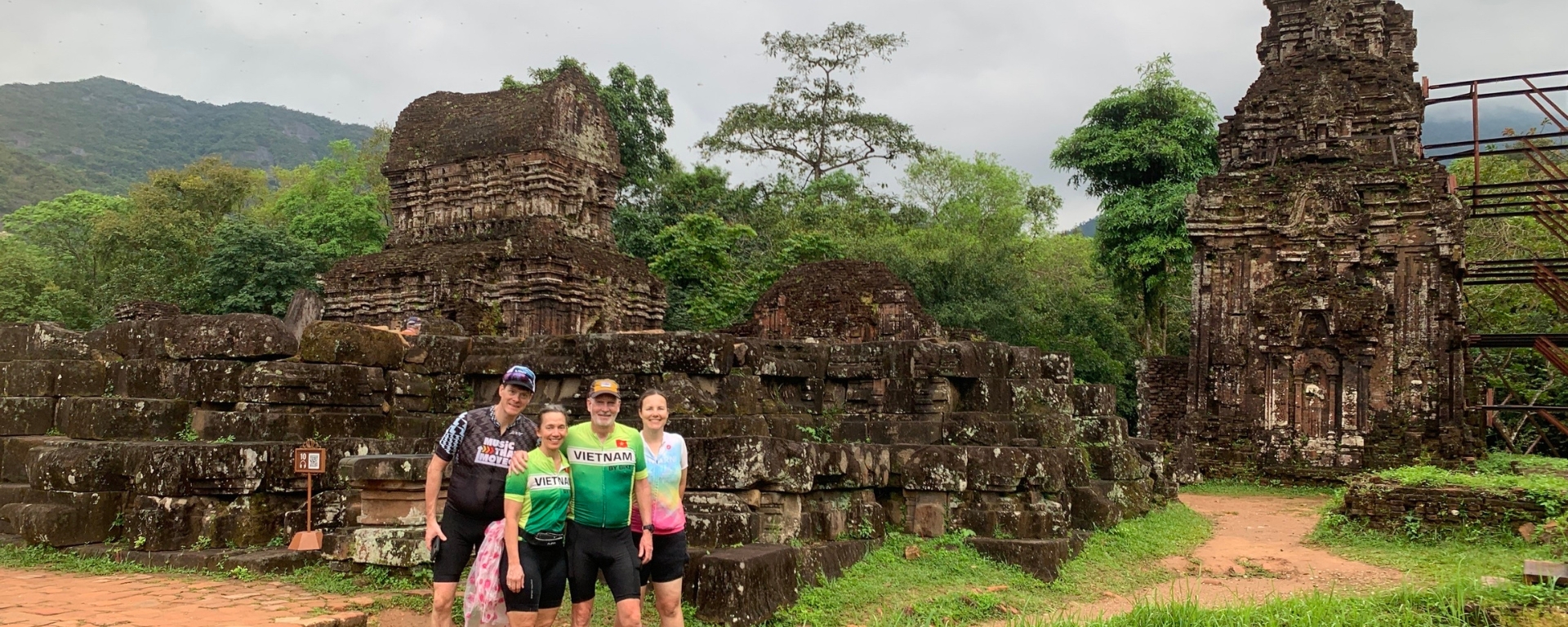
While the ancient town captures your heart, the mystical My Son ruins are an absolute must for a good holiday in Hoian by bike. Nestled deep within a valley surrounded by sacred mountains, this UNESCO World Heritage Site showcases the spectacular, weathered red-brick temples built by the Champa Kingdom between the 4th and 14th centuries. Leaving the tourist crowds behind, the cycling route to My Son takes you far off the beaten path into authentic rural life. You will coast past vibrant green rice paddies, cross rustic wooden bridges, and greet local artisans in traditional weaving villages—all before arriving at the awe-inspiring, jungle-cloaked sanctuary.
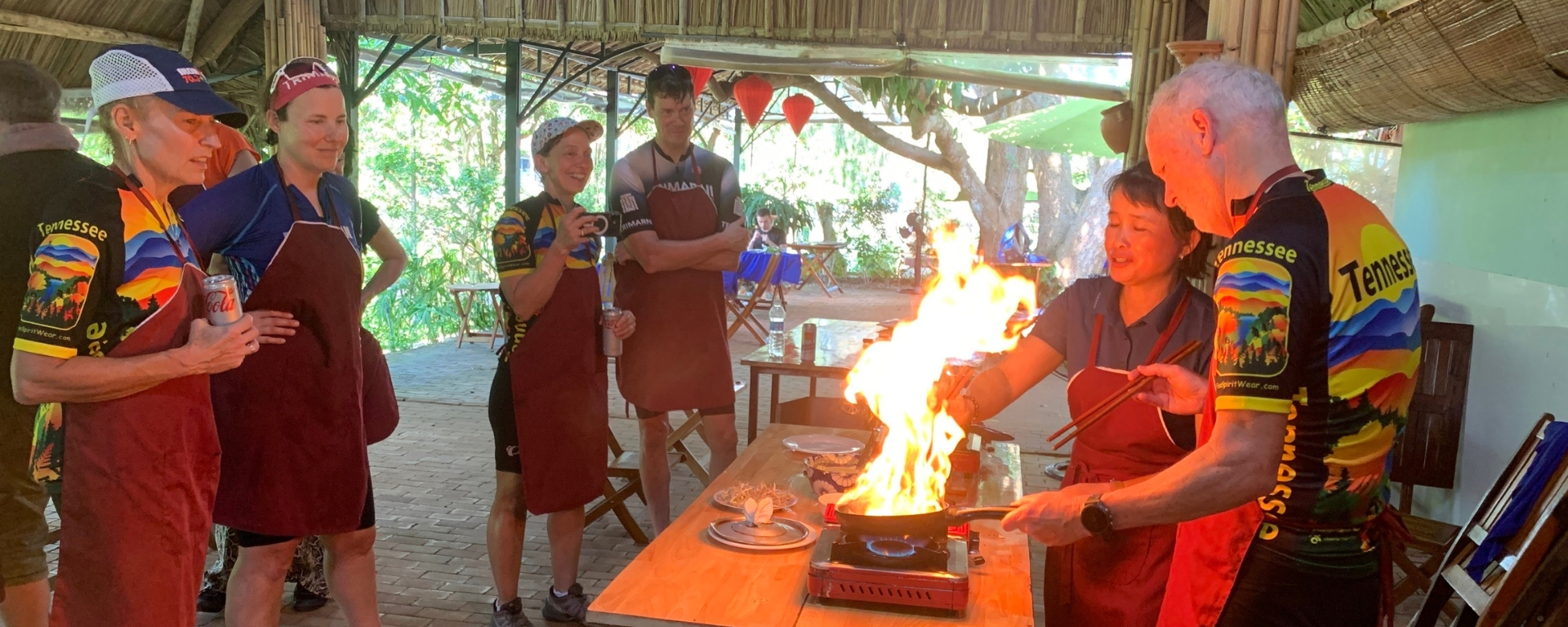
While you can easily join a cooking class in Hanoi or Ho Chi Minh City, Hoi An stands out as the ultimate culinary epicenter. Perfectly bridging the geographic gap, this ancient town beautifully harmonizes the distinct flavors of both Northern and Southern Vietnam.
Here, you can learn to master iconic dishes like Vietnamese savory pancakes (bánh xèo) and fresh rice spring rolls. Best of all, this culinary experience integrates seamlessly into a day on the saddle. This is exactly why we define our product as a "cycling holiday" rather than a traditional "biking tour." While a standard bike tour is built strictly for hardcore bikers, a cycling holiday is specially crafted for tourist bikers—travelers who want to combine light active exploration with rich cultural leisure.
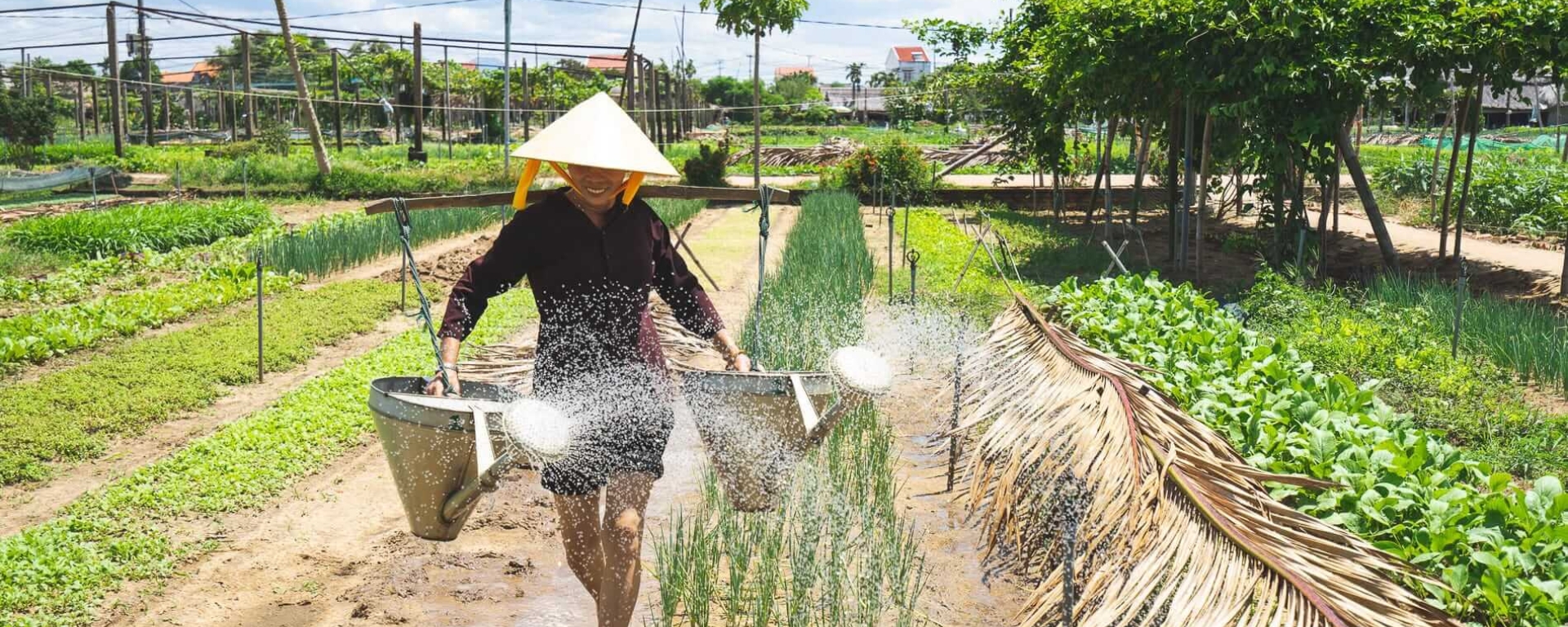
The global fame of Vietnamese cuisine stems from its distinct use of aromatic herbs and fresh vegetables. Vietnam's unique tropical monsoon climate creates the perfect environment for these vibrant, flavorful greens to thrive, making the food completely distinct from the rest of the world. By incorporating a gardening activity into your itinerary, you get to step directly into the fields. Whether it has been years since you last touched the soil, or you have never experienced real farming before, this hands-on activity is a wonderful way to expand your horizons.
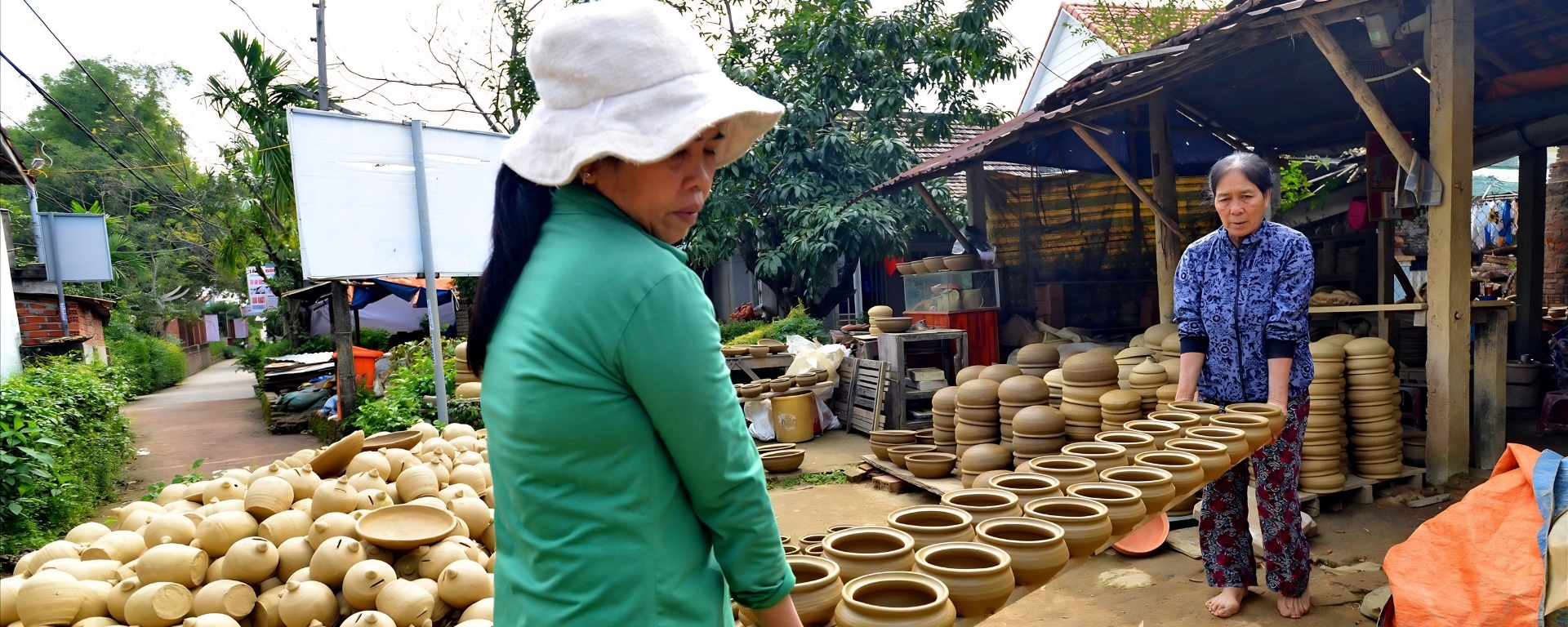
Pedaling your way to the famous Thanh Ha Pottery Village offers a deep dive into ancient artistry. Thanh Ha is renowned for producing some of the most flawless and complete ceramic products in Vietnam.
These handmade masterpieces are not just for display; they are incredibly popular across the country, heavily featured in luxury hotels, high-end resorts, and historic architectural projects that demand an elegant, timeless look. Cycling here allows you to skip the storefronts, roll up your sleeves, and use your own hands to shape a custom piece of pottery on a traditional wheel.
Let's Enjoy Cycling with the Best Operator
To truly elevate your travel experience, let’s enjoy an incredible cycling tour with the Vietnam By Bike operator, the region's premier choice for active adventures.
- Expert local guides: Passionate professionals who share fascinating historical insights.
- Premium equipment: High-quality, well-maintained trekking bikes tailored for countryside terrain.
- Curated itineraries: Seamless support vehicles, fresh local lunches, and traffic-free backroads.
Ready to explore? Skip the crowded tour buses and embrace the fresh breeze. Let Vietnam By Bike turn your holiday into an unforgettable cycling adventure!