In an official banking environment, a dollar is a dollar. As long as it is genuine and at least 51% intact, a US bank must recognize its face value. But gold shops are not banks. In the informal or "gray" market of currency exchange, US Dollars are treated more like a commodity (like gold or gemstones) than a currency.
When you sell a diamond, the price depends on its "clarity" and "cut." Similarly, in the eyes of a gold shop owner, the value of your USD depends on its physical condition and its "series" (the year it was printed).

1. The "Old Bill" Dilemma: More Than Just Wrinkles
When a gold shop looks at an old bill, they aren't just looking at the date; they are looking at liquidity risk.
The "Series" Problem (1996, 2003, 2006)
Even if an old bill is in perfect condition, shops often deduct 2–5% of the value. This is because:
Security Features: Older designs (often called "Small Head" or older "Big Head" bills) lack the modern security features of the 2013 "Blue Note" series (the 3D security ribbon, color-shifting ink). This makes them harder to verify quickly.
Counterfeit Scares: Historically, certain older series (like the 1996 $100 bill) were targets of sophisticated counterfeiting operations (the famous "Supernotes"). Many shops simply refuse these or charge a "risk fee" to handle them.
Withdrawal from Circulation: While still legal tender, central banks in many countries slowly phase out older series. If a gold shop accumulates $10,000 in 1996-series bills, they may find it difficult to sell that "bulk" to a wholesaler or an importer who needs to pay for goods abroad.

Physical Degradation and "Cleaning" Costs
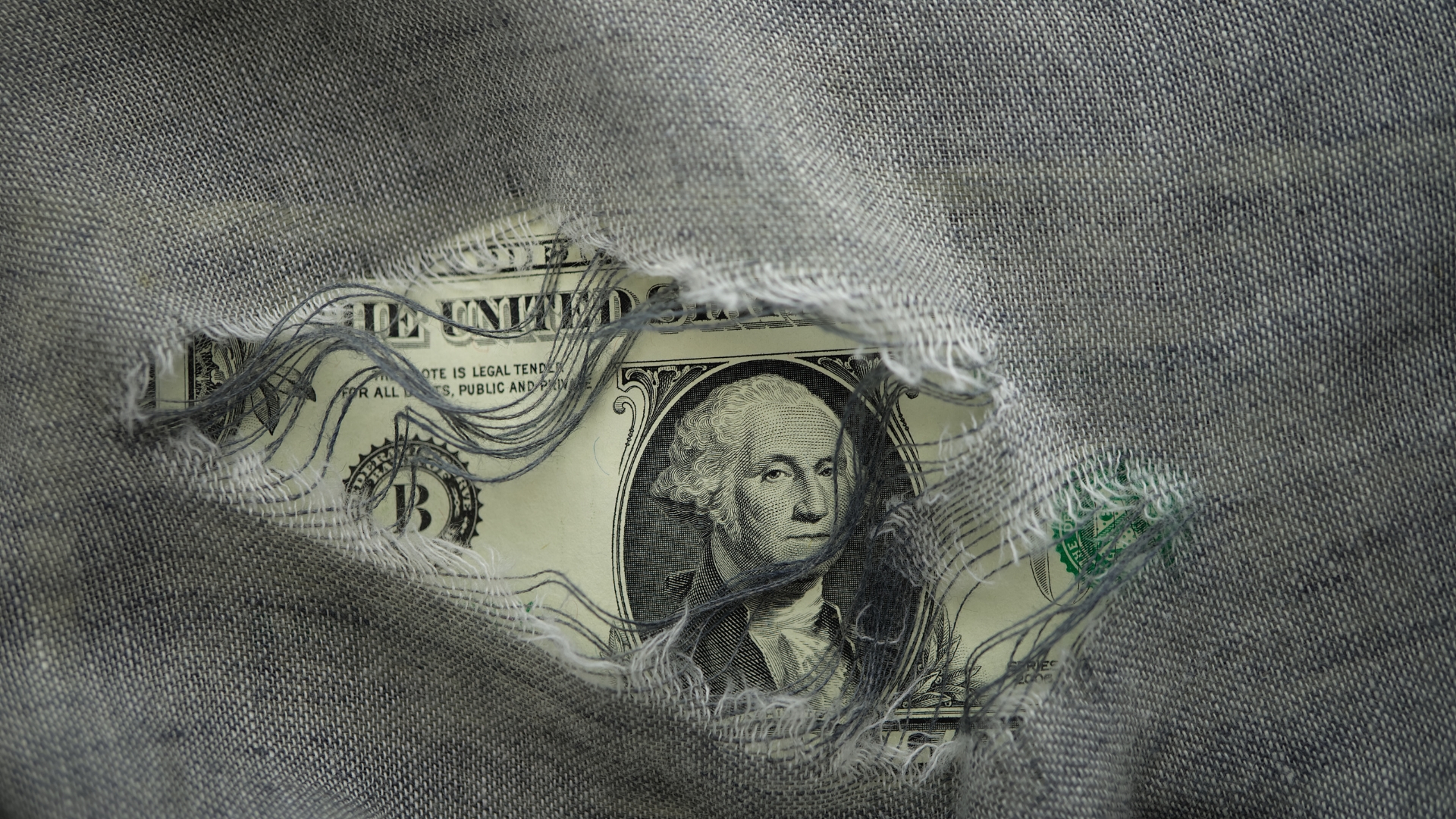
Ink and Stamps: In some countries, money changers or banks apply small ink stamps to bills to verify they have passed through their hands. Gold shops in Vietnam often deduct for these because the next buyer (usually a high-end traveler or a businessman) will reject them.
The "Pinhole" Issue: In many parts of Asia, it was common practice to staple bundles of cash together. A single staple hole can lead to a price deduction because it technically compromises the "perfect" integrity of the paper.
Mold and Humidity: Southeast Asia’s humidity is an enemy of paper currency. If a bill has tiny brown spots (foxing), it is often rejected or devalued because these spots can grow and eventually destroy the bill's visibility under UV light.
2. The "New Bill" Paradox: When Perfection Isn't Enough
The most frustrating experience is having a brand-new, 2013-series "Blue Note" deducted. Why does this happen?
The "Wholesale" Aesthetic
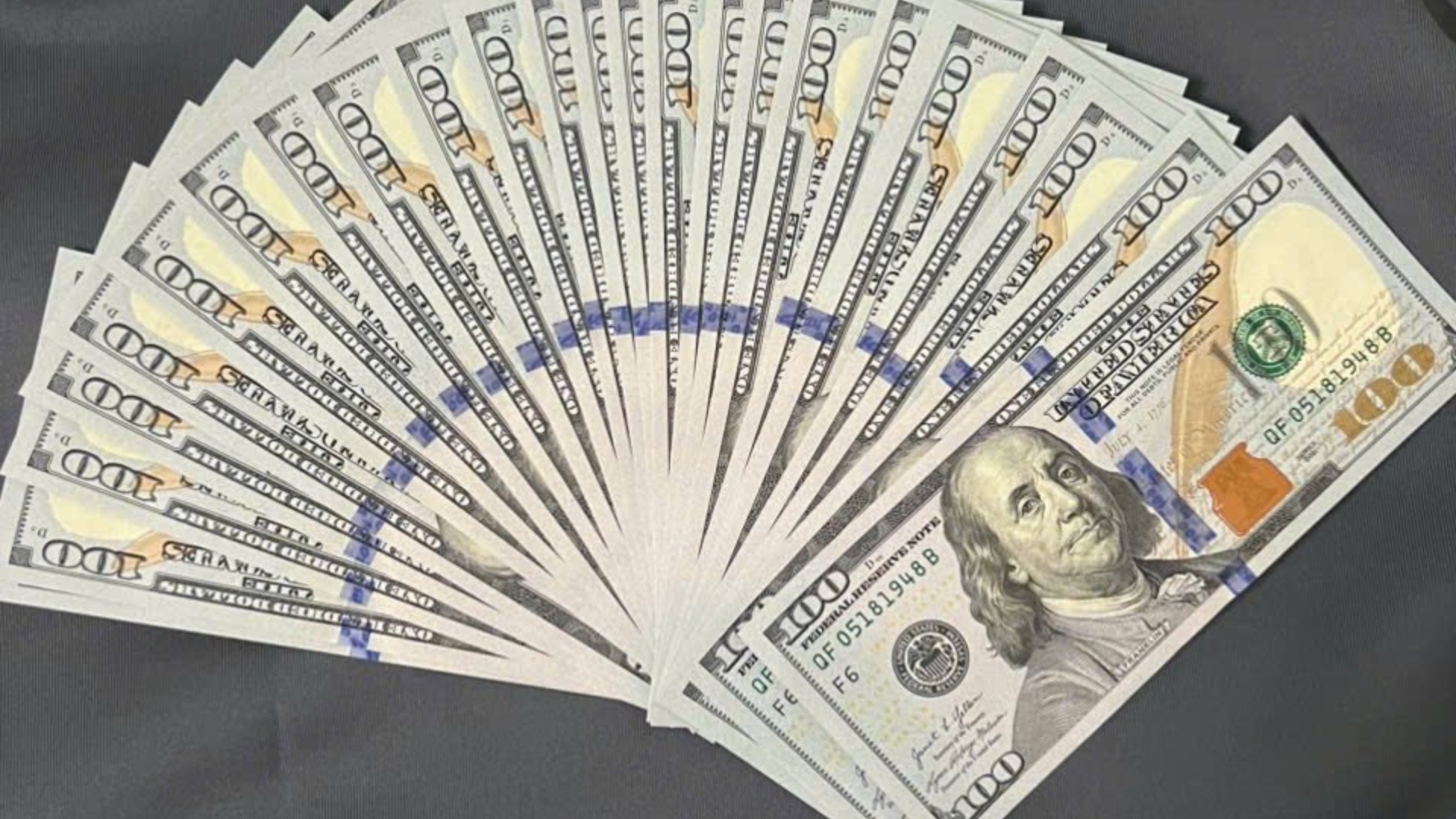
Gold shops usually act as middlemen. They buy your dollars and sell them in large bricks to wholesalers, importers, or people looking to store wealth. These end-buyers are incredibly picky. They want "ATM-fresh" bills that look like they just came off the printing press.
The "Fold" Penalty: A single vertical fold down the center of a bill (from being in a wallet) can categorize a bill as "Grade B."
Corner Integrity: If the tip of a corner is slightly rounded or "fuzzy" from friction, the shop may claim it is "used" rather than "new."
Supply and Demand of "Beauty"
In many cultures, USD is used for high-value gifts (weddings, Lunar New Year). For these occasions, only a "perfect" bill will do. Because there is a premium on beautiful bills, anything less than perfect is sold at a discount.
3. The Gold Shop Business Model: Risk vs. Convenience
To understand the deduction, you must understand how a gold shop operates compared to a bank.
Feature | Bank | Gold Shop |
Regulation | High (Strict ID, Paperwork) | Low/Informal |
Exchange Rate | Standard (Often lower) | Competitive (Market-driven) |
Acceptance | Accepts worn bills (within limits) | Extremely picky |
Speed | Slow (Queueing, Forms) | Instant |
The "Safety Buffer"
Gold shops operate on thin margins. If they buy $100 from you at the market rate and later find a tiny tear they missed, they might lose $5–$10 when they try to resell it. To protect themselves, they apply a "blanket deduction" for anything that isn't 100% pristine. They are essentially charging you an insurance premium for taking the bill off your hands.
Subjective Evaluation
Because there is no "Official Gold Shop Manual" for currency grading, the deduction is often at the whim of the clerk.
The "Market Conditions" Excuse: If the shop has too much USD on hand and not enough buyers, they will find "flaws" in your bills to lower the buying price.
Psychological Anchoring: By telling you your bill is "bad" or "old," they put you on the defensive, making you more likely to accept a lower price just to get the transaction over with.
4. How to Protect the Value of Your Dollars
If you are holding US Dollars and want to ensure you get the maximum exchange rate, you need to treat those bills like fragile artifacts.
Proper Storage Techniques
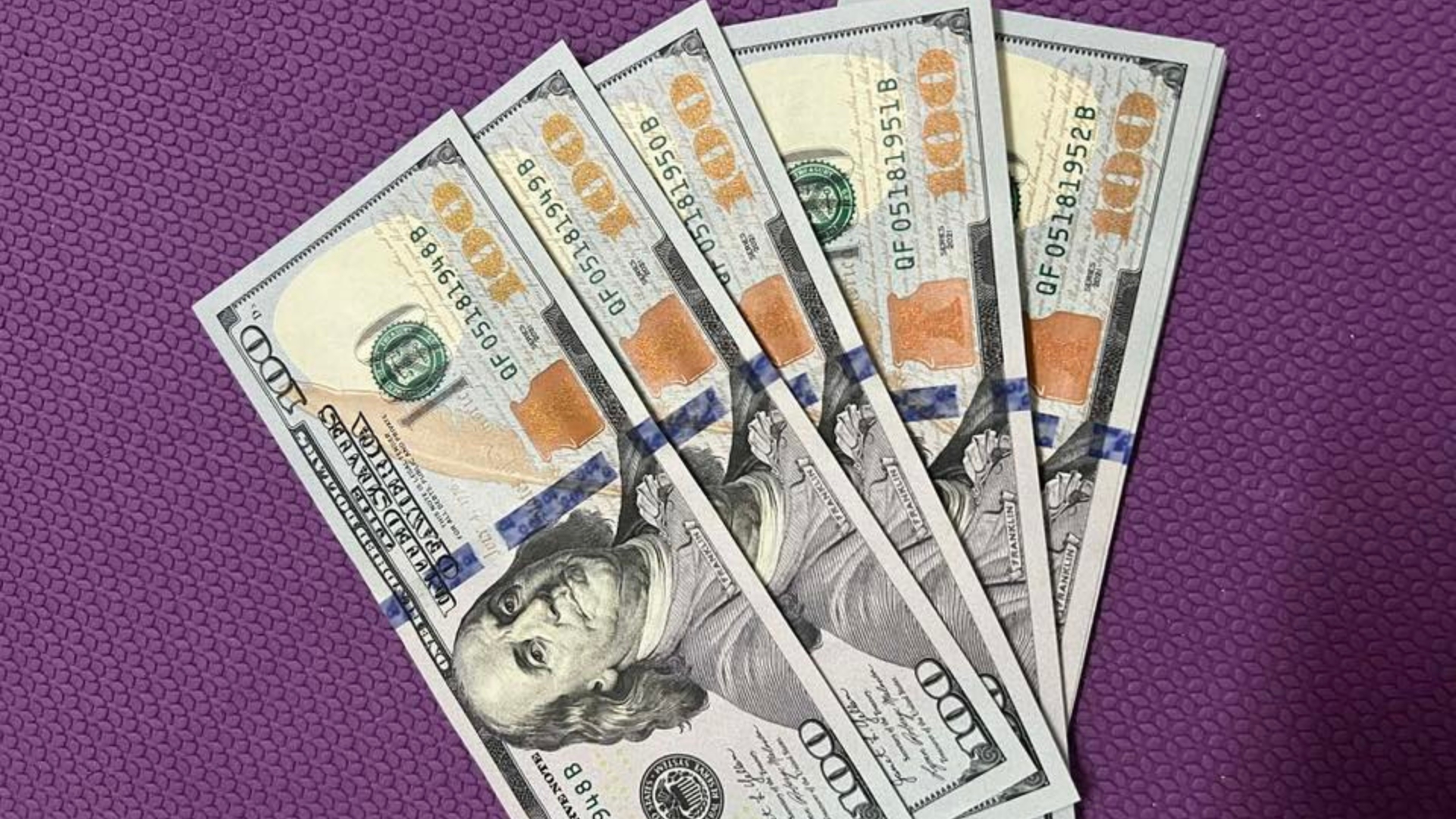
Never Use Wallets: For $100 bills intended for exchange, do not put them in a standard folding wallet. Use a flat money envelope or a plastic sleeve.
Climate Control: Store your "emergency cash" in a cool, dry place. Using a small silica gel packet in your storage container can prevent mold spots.
No Rubber Bands: Over time, rubber bands degrade, melt, and leave sticky residue or stains on the edges of the bills. Use paper bands or envelopes instead.
Strategic Exchanging
The "Big Bill" Advantage: Gold shops almost always give a better rate for $100 and $50 bills than for $1, $5, or $10 bills. Small bills are a logistical nightmare for them to count and transport, so they "tax" you for the effort.
Check the Series: If you are withdrawing money from a bank in the US to take abroad, specifically ask for "New Series Blue Notes."
The Comparison Rule: If a shop tries to deduct more than 1–2% for a minor flaw, walk away. Often, the shop next door will have a different "subjective feeling" and may accept the bill at full value.

5. New Information: The Digital Shift
The world of currency exchange is changing. In 2026, we are seeing new factors that influence gold shop behavior:
The Rise of Stablecoins: In some markets, digital "dollars" like USDT (Tether) are becoming popular. As digital exchange becomes easier, gold shops feel more pressure to maintain their margins on physical cash, leading to even stricter inspections of paper bills.
Stricter Anti-Money Laundering (AML) Laws: Governments are cracking down on informal exchanges. This increased risk for the shop owner often results in higher fees or deductions passed down to the customer.
Modern Sorting Machines: Some larger gold shops now use high-tech currency counters that detect the slightest microscopic tear or "limpness" in the paper. If the machine flags it, the human clerk has no choice but to deduct the price.

Summary Advice for the Smart Traveler
Money is indeed hard-earned. To avoid "losing" hundreds of thousands of dong (or any local currency) on a technicality, follow these golden rules:
Banks for "Ugly" Bills: If your bill is stained, old, or wrinkled, take it to a major bank. You might have to show your passport and wait 15 minutes, but they will give you the official rate without the "beauty tax."
Gold Shops for "Perfect" Bills: If you have crisp, new $100 bills, gold shops will often give you a rate better than the bank—but only if the bill is flawless.
Inspect Your Change: When you receive USD as change or from a bank, inspect it immediately. If it has a mark, a fold, or a stamp, ask for a different one. Don't inherit someone else's "deduction problem."
By understanding that a gold shop is a private business looking to minimize risk, you can stop viewing the deductions as an insult and start viewing them as a market mechanic. Treat your cash with care, and the market will treat you fairly.

Let's ready for your Vietnam Adventure Cycling Holiday with us ? Contact us today to plan your adventure: Ops@VietnambyBike.com