Hoi An is far more than just an ancient city; it is a vital economic and cultural beating heart within Quang Nam Province. Below is a comprehensive overview of this magnificent "pearl" of Central Vietnam.
Top Best Hoi An Bike Tours:
- Hoi An Cycling Tour 3 days
- Hoi An Cycling Tour 4 days
- Hoi An Cycling Tour 5 days
- Hoi An Cycling Tour 6 days
- Hoi An Cycling Tour 7 days
- Hoi An Cycling Tour 8 days

Geography and Demographics
- Area: Approximately 61.48 km². This modest but diverse footprint encompasses the historic Ancient Town, bustling urban wards, and pristine island communes like Tan Hiep (Cham Islands).
- Population: Estimated at roughly 100,000 residents, with the highest population density concentrated along the coastal areas and central wards.
- Ethnic Groups: The vast majority of residents are Kinh (Vietnamese). However, Hoi An’s legacy as a historic trading port has made it a fascinating cultural melting pot.
- Culture: While primarily Vietnamese, the local lifestyle, architecture, and world-renowned cuisine carry deep, enduring influences from Chinese and Japanese merchant communities.
- Religion: A diverse spiritual landscape featuring Buddhism and Catholicism, alongside deep-rooted indigenous beliefs such as Mother Goddess worship.
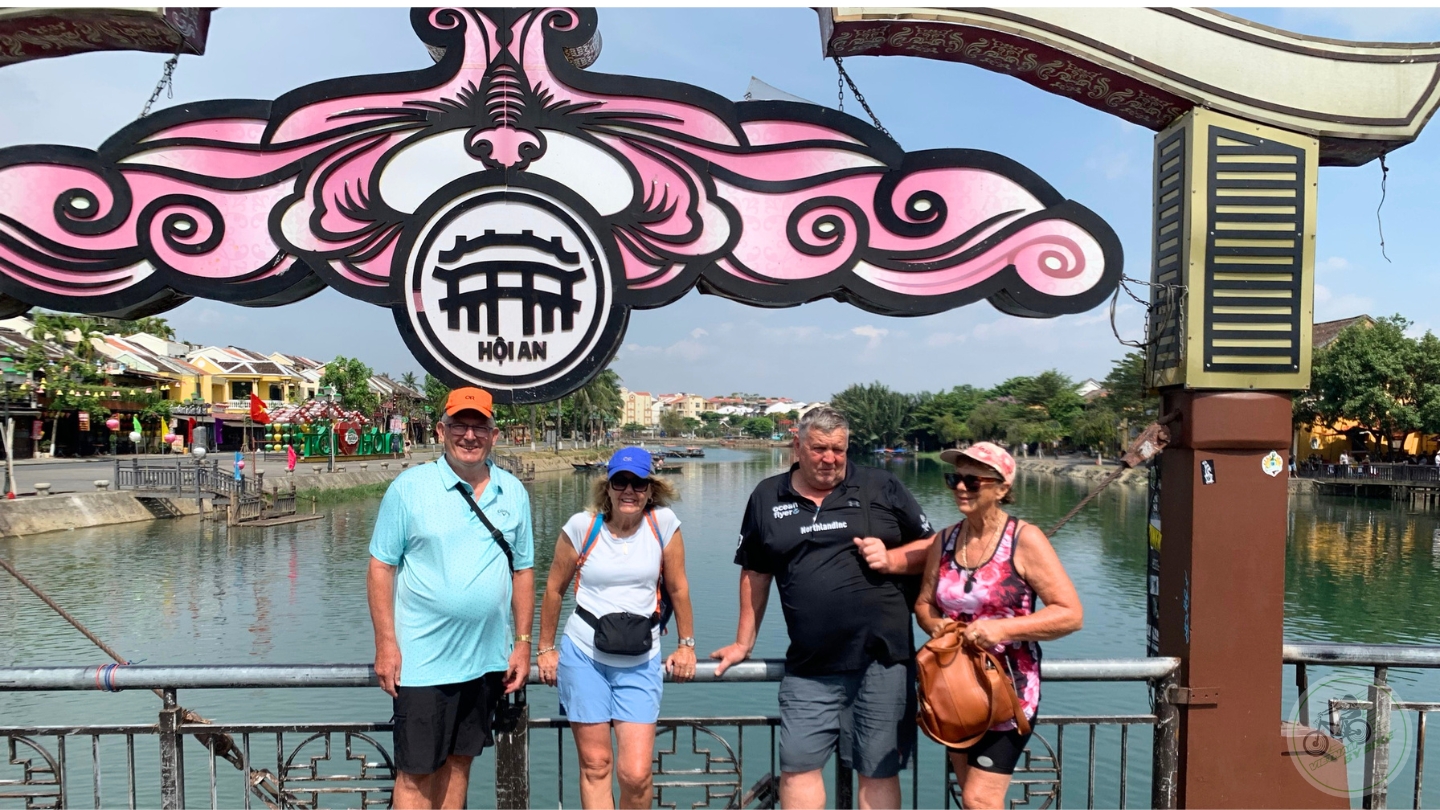
Economic Structure: Services, Tourism, and Trade
Hoi An’s economic structure has successfully pivoted toward a dynamic Services - Tourism - Trade model:
- Tourism: The undisputed powerhouse of the city, contributing the lion's share of its GDP.
- Handicrafts: Traditional craft villages are meticulously maintained for export and immersive tourism.
- Agriculture & Fisheries: Essential sectors, particularly coastal fishing and organic farming.
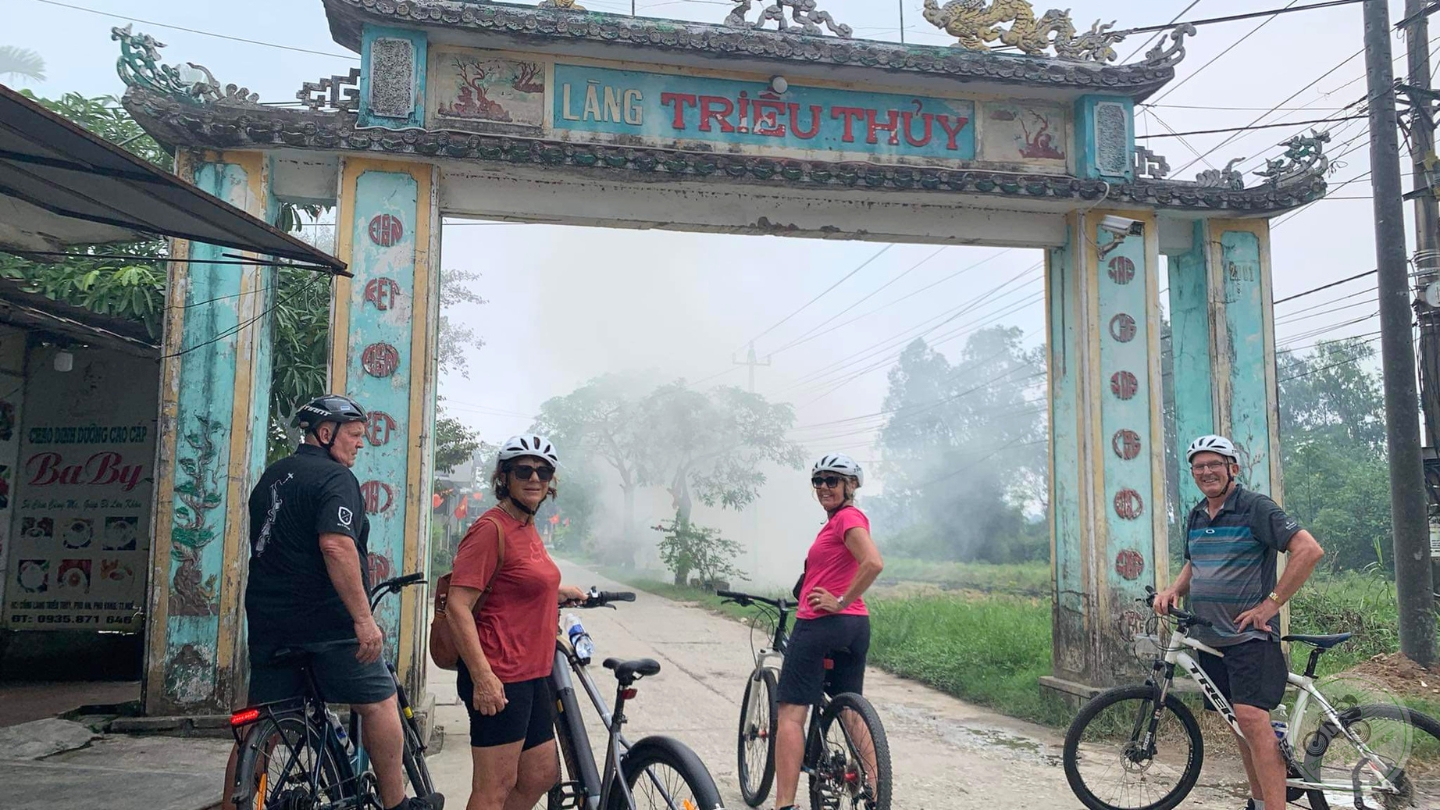
The Flagship of Central Vietnamese Tourism
- UNESCO World Heritage: Recognized in 1999 as a living museum of port architecture (15th to 19th centuries).
- International Acclaim: Consistently dominates prestigious rankings in Travel + Leisure and TripAdvisor.
- Regional Economic Driver: A crucial link in the "Central Heritage Road" connecting Da Nang and Hue.
- Cultural Icon: Home to the enchanting "Full Moon Lantern Festival."
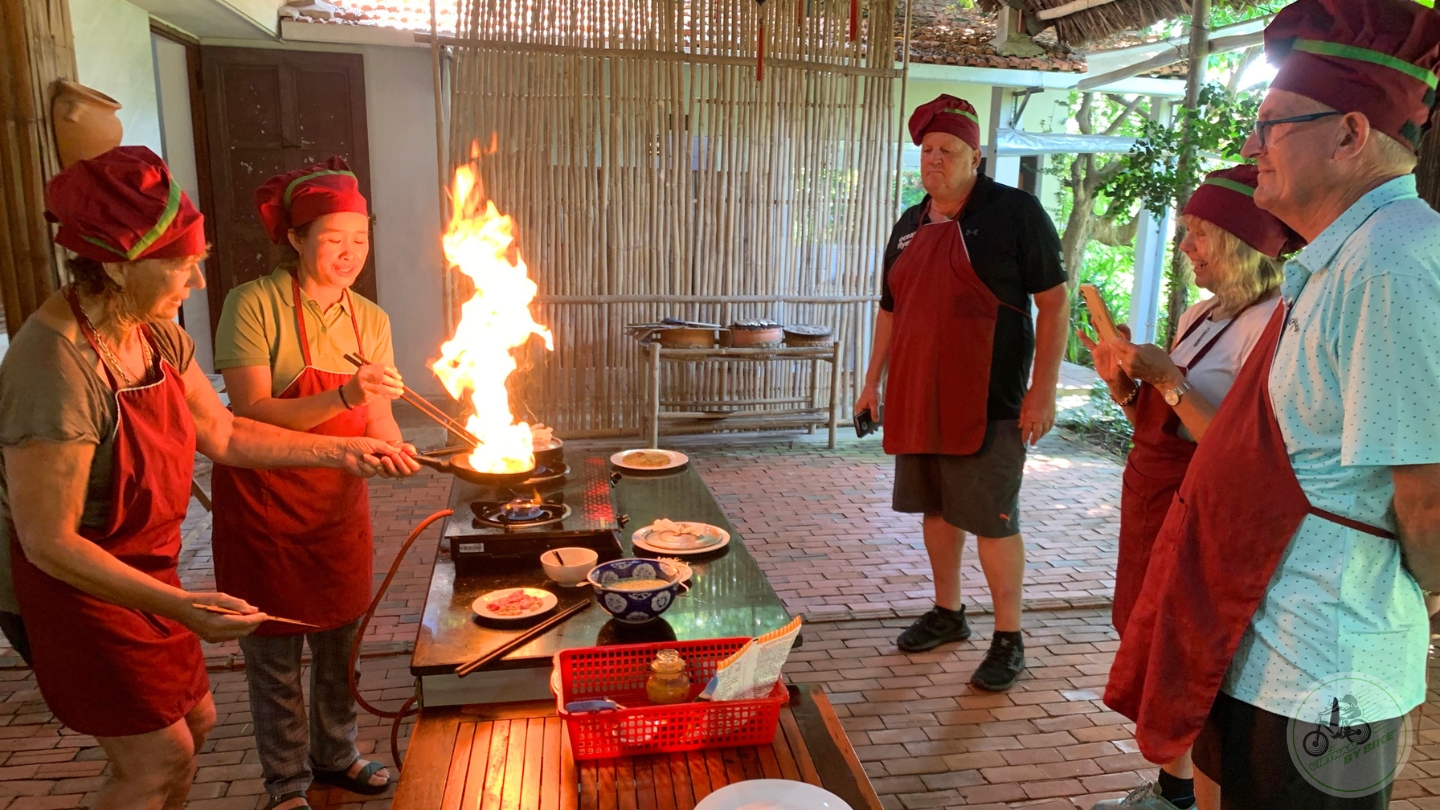
Must-Visit Heritage Sites
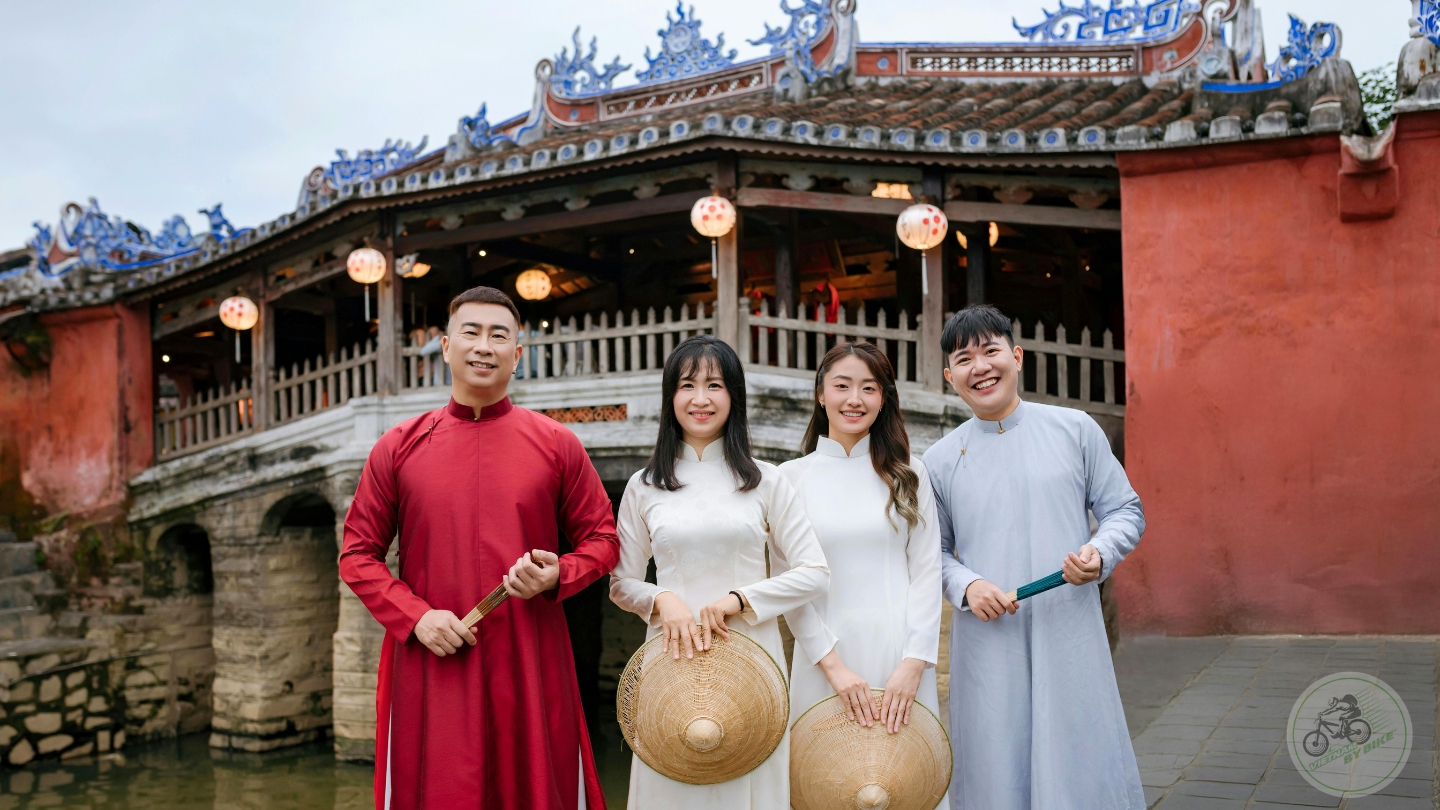
The Ancient Town & The Japanese Bridge
- The Ancient Town: Defined by mustard-yellow walls, moss-draped roofs, and silk lanterns.
- The Japanese Bridge: The "soul" of Hoi An, featured on the 20,000 VND banknote.
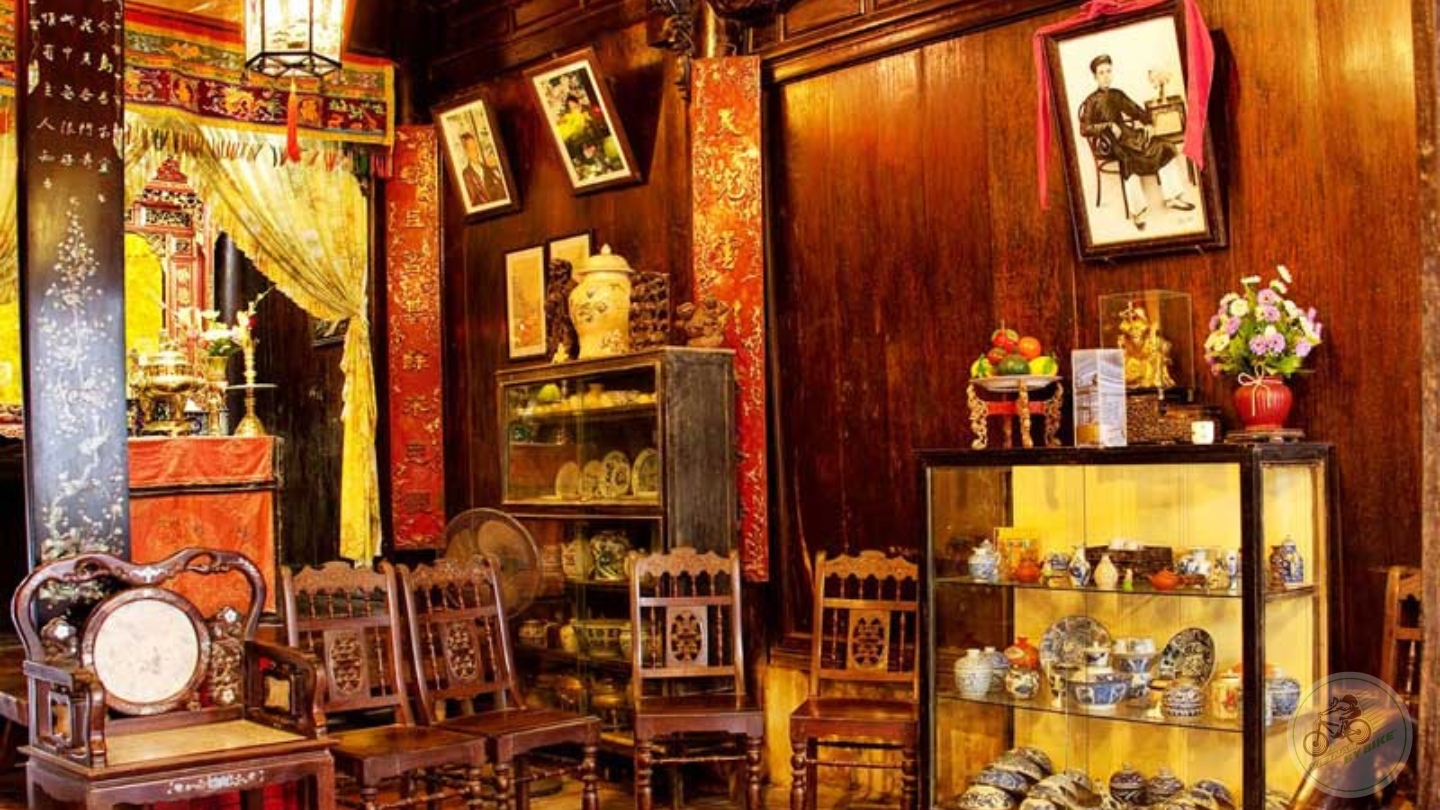
Tan Ky Old House
- History: The first ancient house certified as a National Relic, spanning over 200 years.
- Architecture: A "tube-house" blending Vietnamese, Chinese, and Japanese styles.
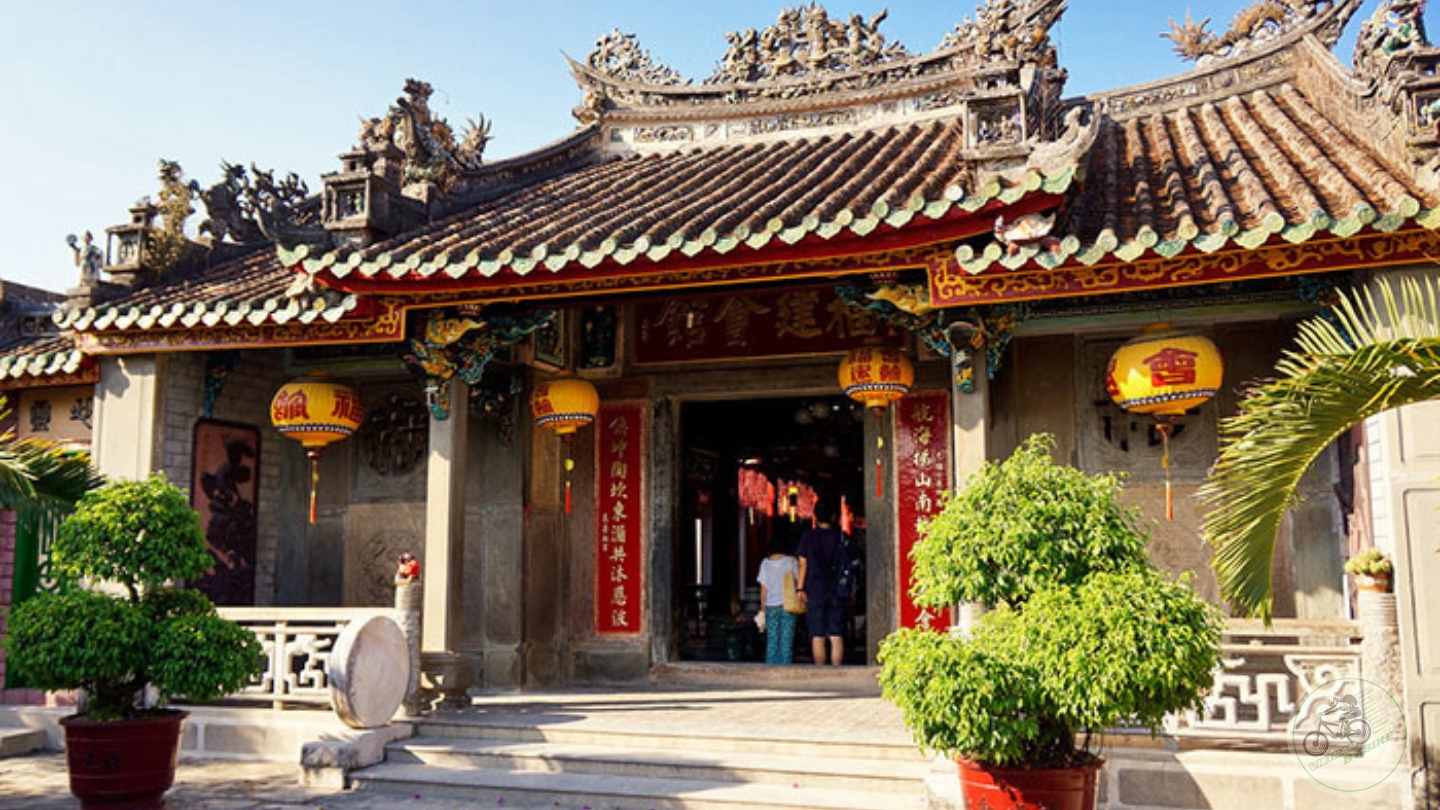
Phuc Kien (Fujian) Assembly Hall
The largest and most magnificent assembly hall in Hoi An, famous for its Triple Gate and sacred worship of Thien Hau Holy Mother.
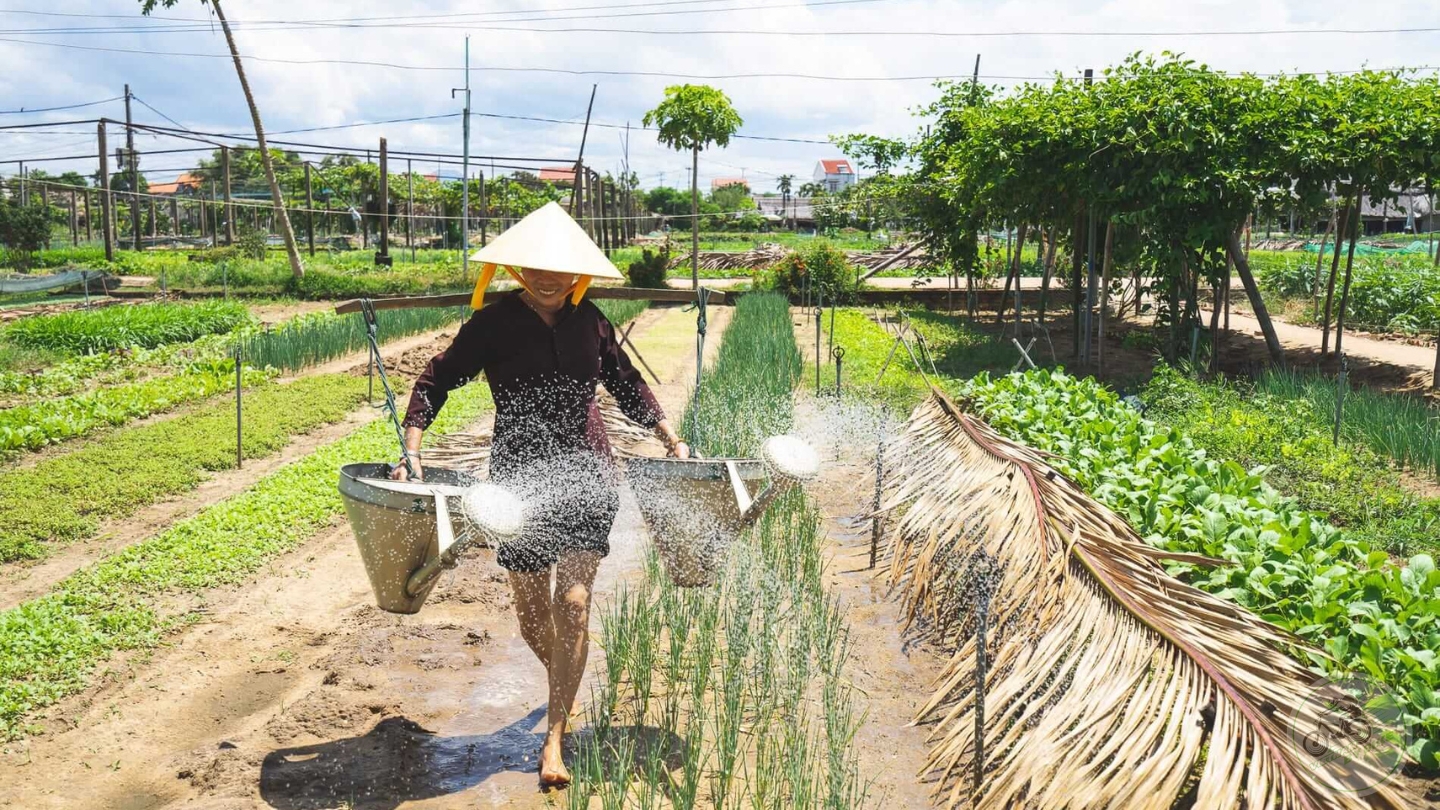
Traditional Craft Villages
- Lantern Making Village: Learn the craft directly from local artisans.
- Thanh Ha Pottery Village: A 500-year-old village where you can try the manual pottery wheel.
- Kim Bong Carpentry Village: Renowned for shipbuilding and intricate wood carvings.
- Tra Que Vegetable Village: Experience organic farming and farm-to-table Mi Quang.
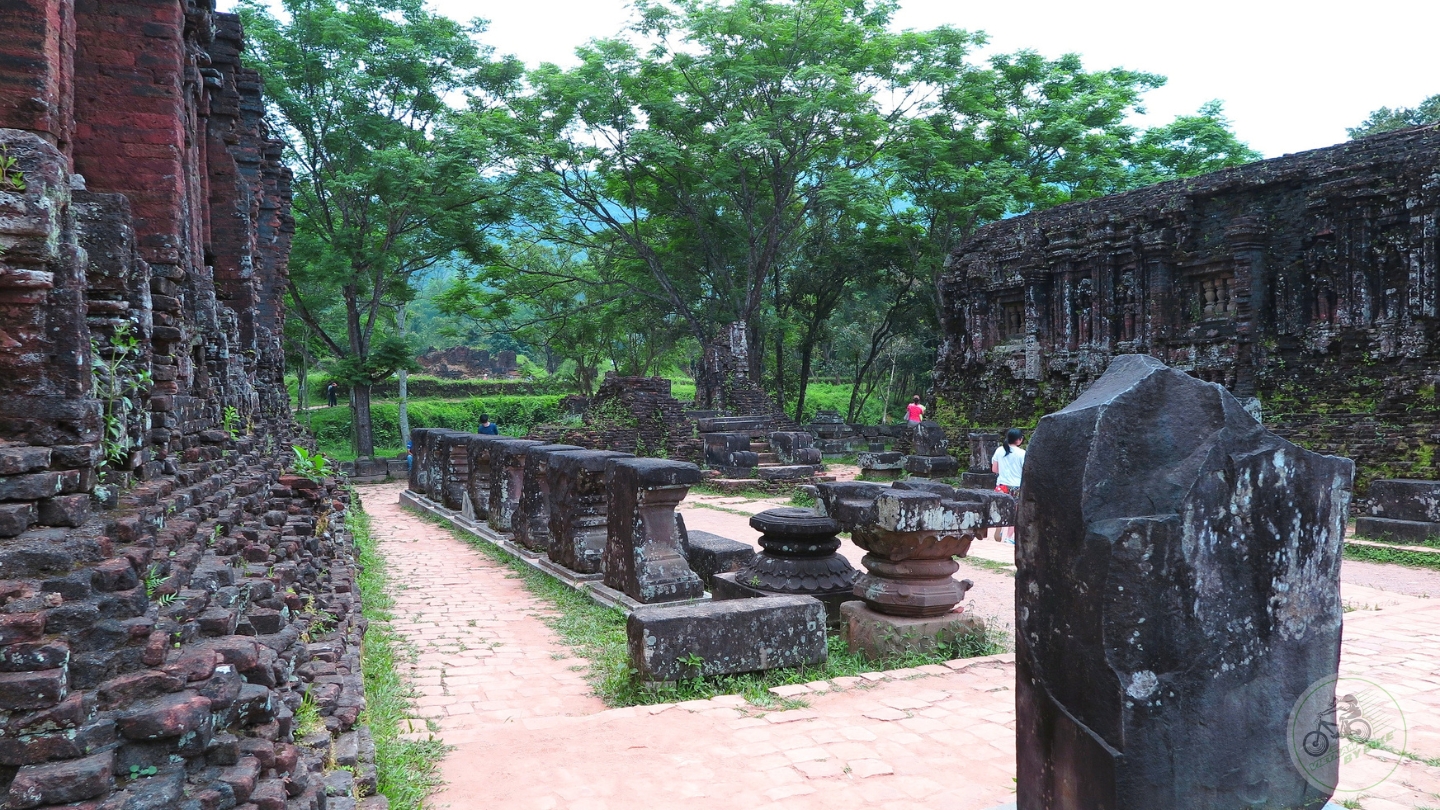
The Mystic My Son Sanctuary
My Son mesmerizes visitors with over 70 ancient Hindu temples constructed between the 4th and 14th centuries. These red-brick structures were built using a mysterious mortar-less technique by the Champa Kingdom.
- Apsara Dance: Witness ethereal performances amidst moss-covered ruins.
- Sacred Atmosphere: A bridge between the ancient world and the present.
