To understand why Vietnam is trending, we must look at the convergence of three post-pandemic travel behaviors: the search for value, the desire for "slow travel," and the appetite for high-contrast culture.
1. The Economics of Adventure
Europe has become prohibitively expensive for many. A 10-day supported cycling tour in Italy or France can easily cost upwards of $4,000–$5,000 USD, excluding flights. Vietnam offers a starkly different value proposition.
High-End Luxury: You can experience a fully supported tour with a support van, mechanic, boutique accommodation, and incredible food for nearly half the price of a European equivalent.
The "Feel Rich" Factor: In Vietnam, a bowl of world-class Phở costs $2. A beer is $1. This allows cyclists to indulge in post-ride massages and feasts without anxiety, a key factor driving searches for "affordable cycling holidays."
2. The "Slow Travel" Pivot
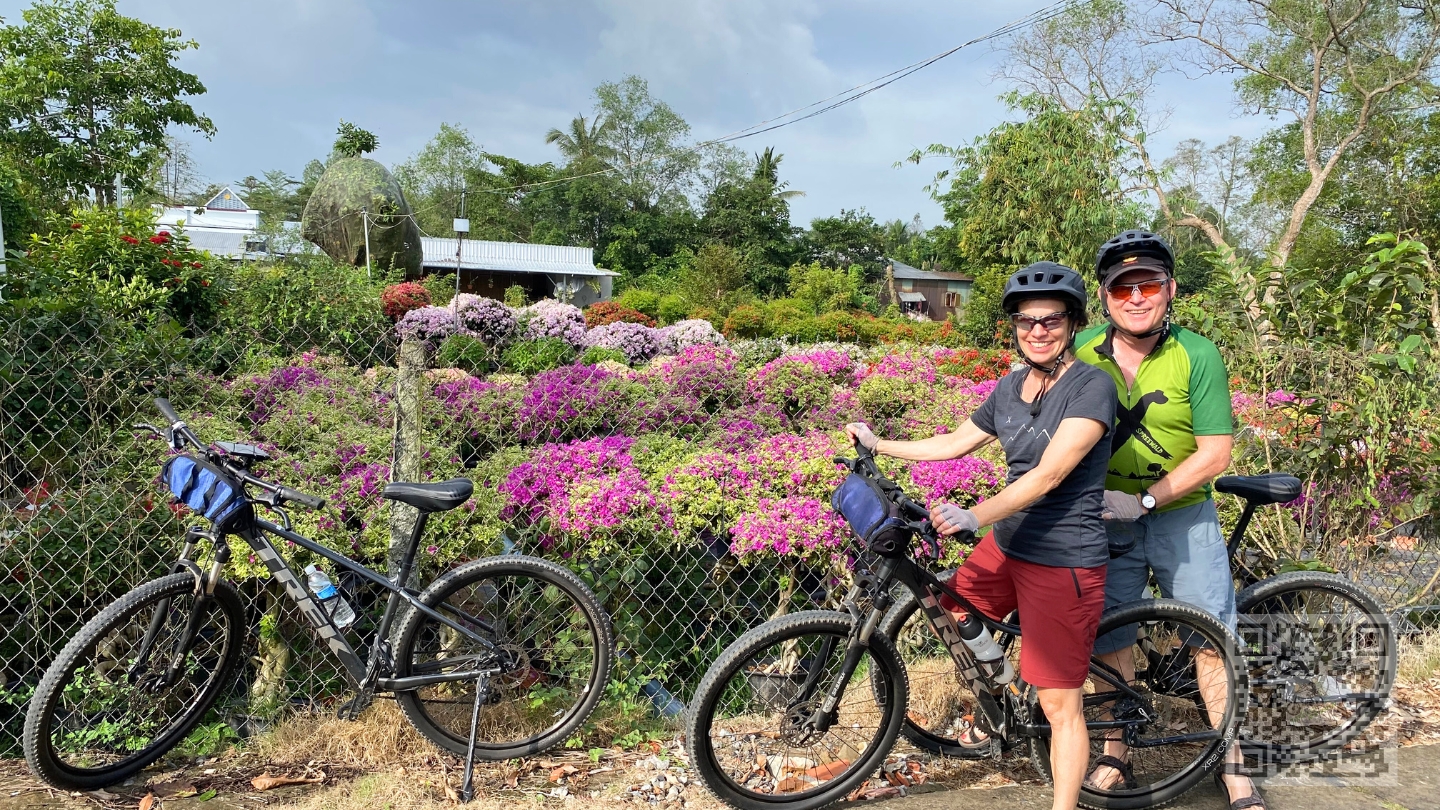
Cyclists are increasingly searching for "immersion" rather than just "mileage."1 Vietnam is geologically and culturally designed for this. Unlike the vast, empty stretches of the American West or the sometimes repetitive farmland of Northern Europe, Vietnam is dense with life.
Insight: In Vietnam, the road is the destination. You aren't just riding to a town; you are riding through someone's living room, drying rice mats, wedding parties spilling onto the street, and water buffalo crossings.
3. The Infrastructure "Sweet Spot"
Ten years ago, cycling Vietnam was reserved for the hardcore gravel grinder willing to sleep in rough conditions. Today, Vietnam has hit the infrastructure "sweet spot":
Road Quality: Major highways are paved (though busy), but thousands of kilometers of concrete "village paths" (too small for cars, perfect for bikes) now crisscross the Mekong and Red River Deltas.
Accommodation: From homestays in the Northern Highlands to 5-star eco-resorts in Hoi An, the lodging infrastructure can now support everything from budget bikepackers to luxury tour groups.2
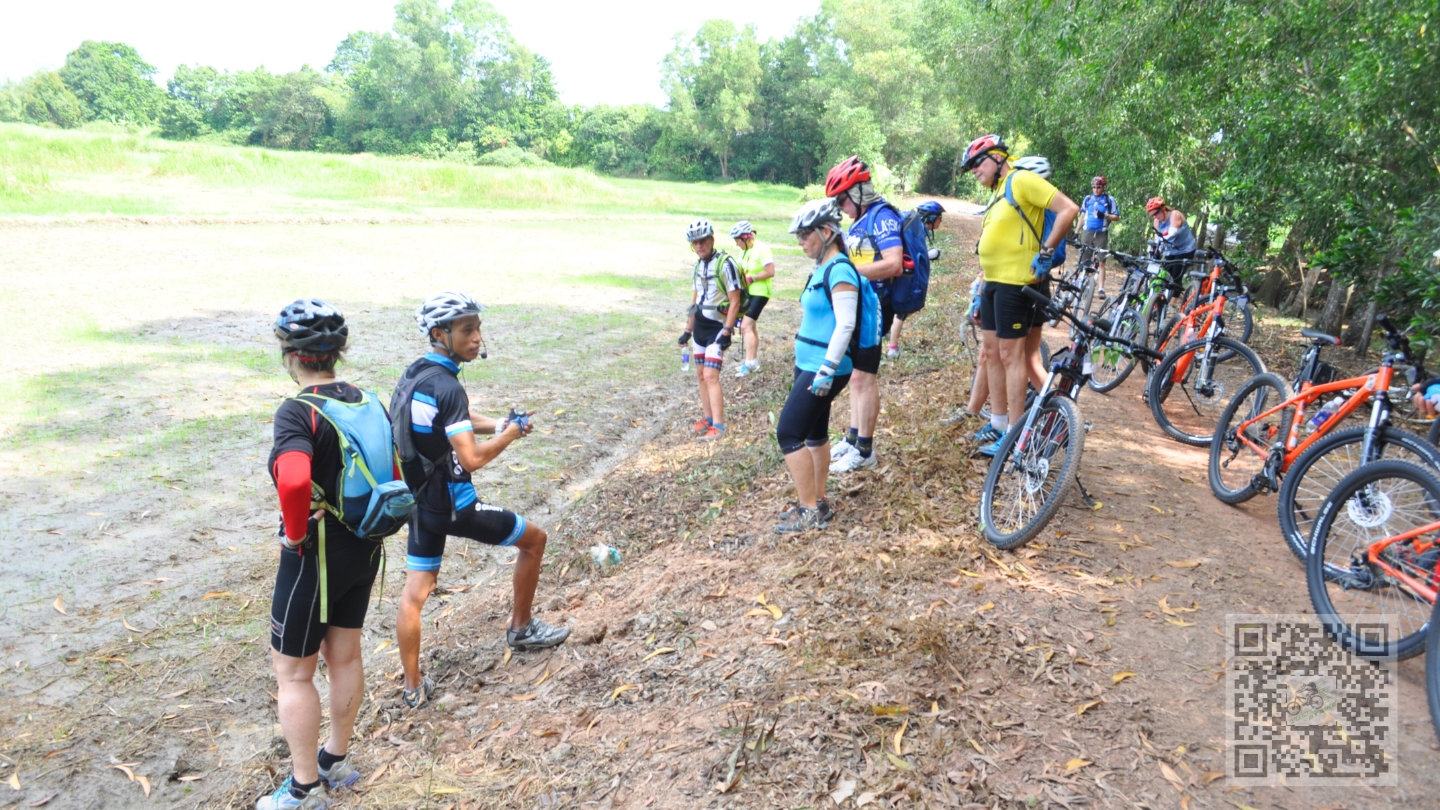
II. The European Fatigue: A Comparative Analysis
Why are cyclists typing "Vietnam cycling routes" instead of "Mallorca climbs"? It comes down to the craving for the exotic combined with the accessible.
Feature | Traditional Europe (e.g., France/Italy) | The Challenger (Vietnam) |
Seasonality | Strict (May–Sept). Winter is off-limits. | Year-Round. When the North is cold, the South is dry. |
Terrain | Predictable paved roads, designated lanes. | Dynamic mix: Tarmac, gravel, single-track, concrete paths. |
Culinary | Bread, cheese, wine, pasta. Heavy. | Rice, herbs, broth, stir-fry. Perfect cycling fuel. |
Interaction | Transactional (waiters, hoteliers). | Communal. Locals wave, high-five, and invite you for tea. |
Cost | $$$$ | $$ |
The "Breakout" Indicator:
Major adventure travel operators (like Intrepid, Exodus, and specialized firms like Spiceroads) have reported double-digit growth in their Southeast Asian bookings, with Vietnam leading the pack. When the industry giants start adding e-bike fleets to their Vietnam depots—which they are doing aggressively in 2024/2025—it is a lagging indicator of a leading search trend.
III. The Routes: Where the Search Volume Goes
When users search for "cycling in Vietnam," they are rarely looking for a single route. The country is long and skinny (an "S" shape), creating three distinct cycling zones that cater to different search intents.
1. The Northern Frontier: The Ha Giang Loop & Sapa
Search Intent: Hardcore, Climbing, Scenery, "Epic"
This is the region that dominates Instagram and YouTube, driving the viral aspect of the "breakout" trend.
The Terrain: Brutal limestone karsts, near-vertical mountain passes, and deep river canyons. The Ma Pi Leng Pass is arguably one of the most spectacular roads in Southeast Asia.
The Rider: This is for the "Type 2 Fun" seeker. You need strong legs or an e-bike. The roads snake through ethnic minority villages (Hmong, Dao, Tay) where life hasn't changed much in a century.3
The Factor: The visuals here are unmatched. Content creators posting videos of the Ha Giang Loop have significantly spiked interest in cycling this region, moving it from a "motorbike only" route to a cycling challenge.
2. The Central Heritage Coast: Hue to Hoi An
Search Intent: Culture, Leisure, Family, Hai Van Pass
This is the "classic" search term. It combines the challenge of the Hai Van Pass (made famous by Top Gear, though they motorbiked it) with the flatness of the coastal roads.
The Hai Van Pass: A 21km climb that is the psychological trophy of a Vietnam trip.4 It rises from the sea into the mist, offering views that define the word "atmospheric."
The Culture: This route connects the Imperial City of Hue (history) with the ancient lantern town of Hoi An (tailors, food, architecture). It is the perfect balance of "ride hard in the morning, relax in luxury in the afternoon."
3. The Mekong Delta: The Water World
Search Intent: Flat, Beginner, Foodie, Family-Friendly
Searches for "easy cycling holidays Asia" often land here.
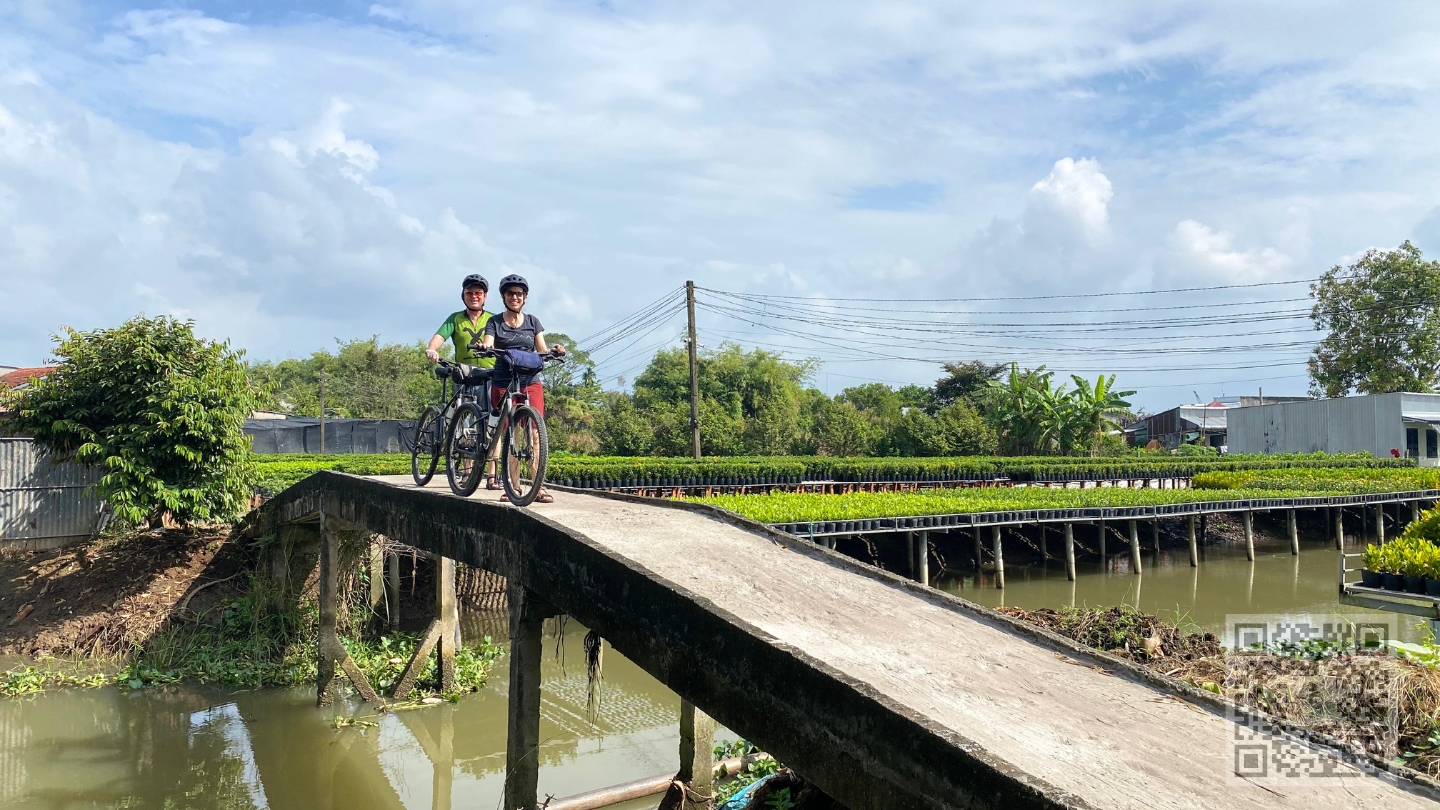
The Maze: The Delta is not about highways; it's about the labyrinth of single-track concrete lanes that run alongside canals. There are no cars here, only motorbikes and bicycles.
The Experience: You ride under canopies of coconut palms, take small ferries across river tributaries, and stop for iced coffee every 10km. It is flat, hot, and incredibly vibrant.
IV. The E-Bike Revolution: The Catalyst for the "Breakout"
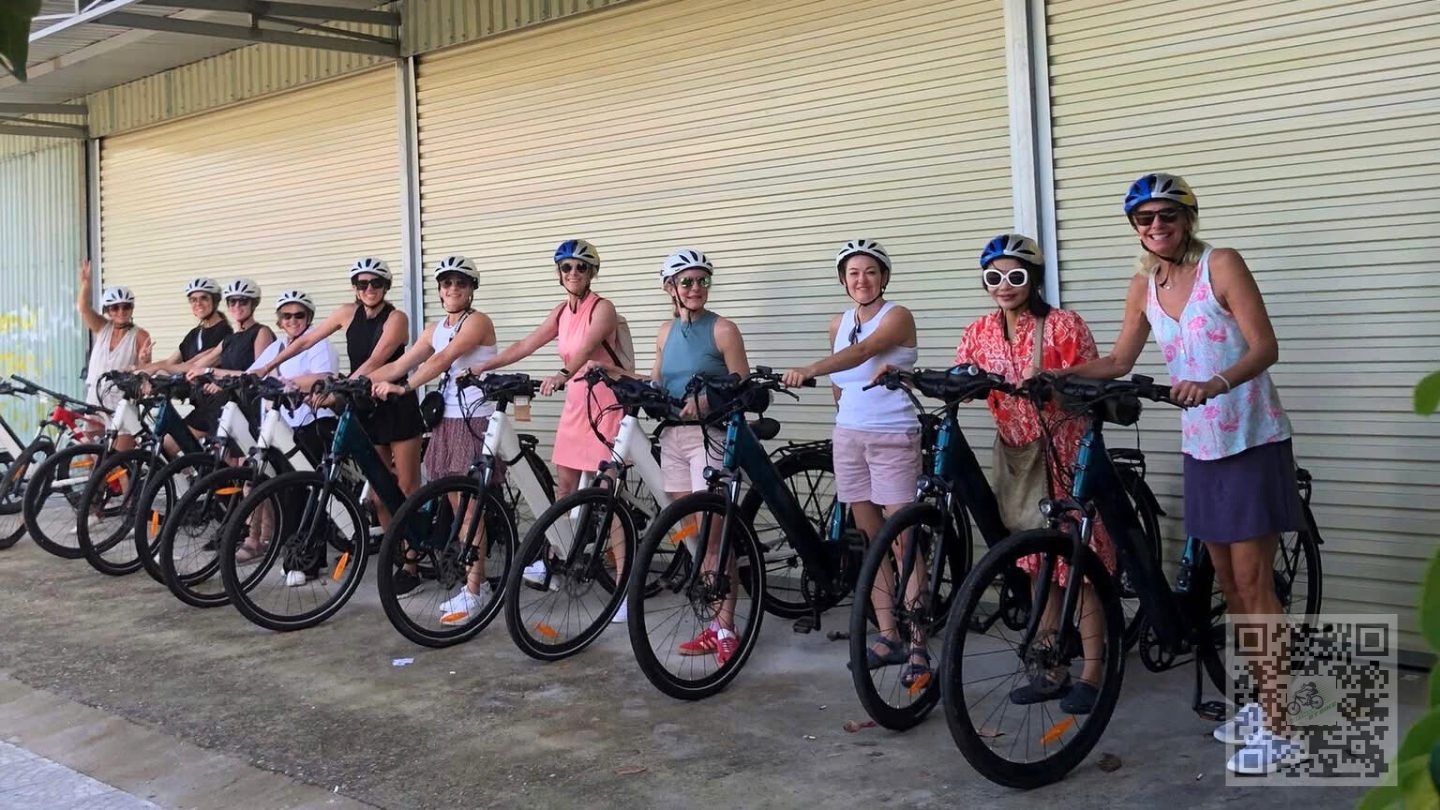
One cannot discuss the surge in Vietnam's popularity without addressing technology. Vietnam is hot (tropical) and hilly (in the north). For a long time, this limited the demographic to fit, heat-tolerant cyclists.
The Game Changer: The mass availability of quality e-bikes in Vietnam rentals.
Operators have realized that e-bikes democratize the destination.5 A couple where one is a dedicated cyclist and the other is a casual rider can now tackle the Hai Van Pass together. This has effectively doubled the total addressable market for Vietnam cycling tourism. Search terms like "e-bike tour Vietnam" are among the fastest-growing sub-segments in the niche.
V. The Realities: What the Search Results Don't Tell You
While the "breakout" narrative is strong, a responsible guide must address the friction points. Vietnam is not a sanitized cycling lane in the Netherlands.
1. The Traffic "Flow"
Vietnam's traffic is legendary. In Hanoi and Ho Chi Minh City, it looks like chaos. However, for a cyclist, there is a method to the madness.
The River Analogy: Traffic in Vietnam moves like a river. It flows around obstacles. If you ride predictably and slowly, the "water" (motorbikes) will flow around you.
The Danger: The real danger is not the cities, but the national highways (Highway 1A). Buses and trucks are aggressive. Crucial Advice: The "breakout" routes are successful because they avoid Highway 1A entirely, utilizing coastal backroads and mountain passes.
2. The Climate Factor
The Heat: It is humid.6 Dehydration is a real risk.
The Rain: Central Vietnam has a distinct rainy season (October–November) that can result in flooding. Users searching for "best time to cycle Vietnam" need to be careful; the answer depends entirely on where in Vietnam they are going.
3. Mechanical Self-Sufficiency
While bike shops are common, high-end components (700c tubes, disc brake pads for specific calipers, 11-speed chains) are rare outside major cities. The "adventure" part of the search term is real—you need to know how to fix a flat.
VI. Cultural Integration: The "Secret Sauce"
The reason Vietnam retains travelers (and generates repeat searches) is the interaction model. In Europe, a cyclist is often just another tourist clogging the road. In rural Vietnam, a cyclist is a curiosity and a guest.
The "Hello!" Corridor:
Riders often report that the most tiring part of cycling the Mekong Delta is not the pedaling, but the waving. Children will run to the edge of the road to shout "Hello!" and offer high-fives. This level of welcoming energy is a massive psychological boost that separates Vietnam from more reserved destinations.
The Food as Fuel
Vietnamese cuisine is arguably the best cycling food in the world.
Breakfast: Phở or Bún Bò Huế (noodle soups). Hydrating, salty, carb-rich, and easy to digest.
Lunch: Cơm Tấm (broken rice) or Bánh Mì (baguettes). Cheap, fast, and delicious.
Hydration: Cà Phê Sữa Đá (iced milk coffee) is rocket fuel. Nước Mía (sugarcane juice) is nature's energy gel, available at every roadside stall for 50 cents.
VII. Logistics for the Aspiring Cyclist
If the search trends have convinced you, here is how to turn a query into a trip.
DIY vs. Tour
Supported Tour: Highly recommended for the North (Ha Giang) due to the difficulty of the terrain and language barriers in remote areas. A support van is a safety net for heat exhaustion.
Self-Guided/Bikepacking: Very feasible in the Central Coast and Mekong Delta. The "Warmshowers" community is growing, and guesthouses are ubiquitous.
Bike Choice
Gravel Bike: The gold standard for Vietnam. Fast enough on the tarmac, rugged enough for the pot-holed backroads.
Hardtail MTB: Good for the North, but slow on the coastal flats.
Road Bike: Doable on the coast, but you will miss out on the best village paths.
Visa Policy (2025 Update)
Vietnam has significantly relaxed its visa policies, now offering 90-day e-visas for citizens of all countries. This is a massive driver for long-distance cyclists who want to ride the entire length of the country (approx. 2,000km) without rushing.
VIII. Conclusion: The Verdict
Is Vietnam the breakout search term for adventure cycling outside of Europe?
Yes. It sits at the perfect intersection of affordability, adventure, and accessibility. It offers the "bragging rights" of an exotic Asian expedition without the logistical nightmares of more undeveloped regions.
The search volume reflects a changing mindset in the cycling world. Riders are tired of the sanitized, predictable, and expensive European circuit. They want the heat, the chaos, the taste of coriander and lime, and the thrill of a limestone pass disappearing into the clouds.
Vietnam is not just a "backup" to Europe; for 2025, it is the primary target. The breakout has happened. The only question left is: are your legs ready?
IX. Summary of Key Cycling Regions
Region | Best Time to Ride | Difficulty | Bike Type | Highlights |
North West (Sapa/Ha Giang) | Sept–Nov, March–May | 5/5 (Severe) | MTB / Gravel / E-Bike | Ma Pi Leng Pass, Ethnic Culture, Rice Terraces |
North East (Ha Long/Cao Bang) | Oct–April | 3/5 (Moderate) | Gravel / Touring | Ban Gioc Waterfall, Ba Be Lake, Karst valleys |
Central Coast (Hue/Hoi An) | Feb–Aug | 3/5 (Moderate) | Road / Touring | Hai Van Pass, Imperial City, Beaches |
Central Highlands (Da Lat) | Nov–April | 4/5 (Hard) | Gravel / MTB | Coffee Plantations, Cool Climate, Hills |
Mekong Delta (South) | Nov–April | 1/5 (Easy) | Hybrid / Gravel | Floating Markets, Canals, Fruit Orchards |